Willapa Bay kayak camping

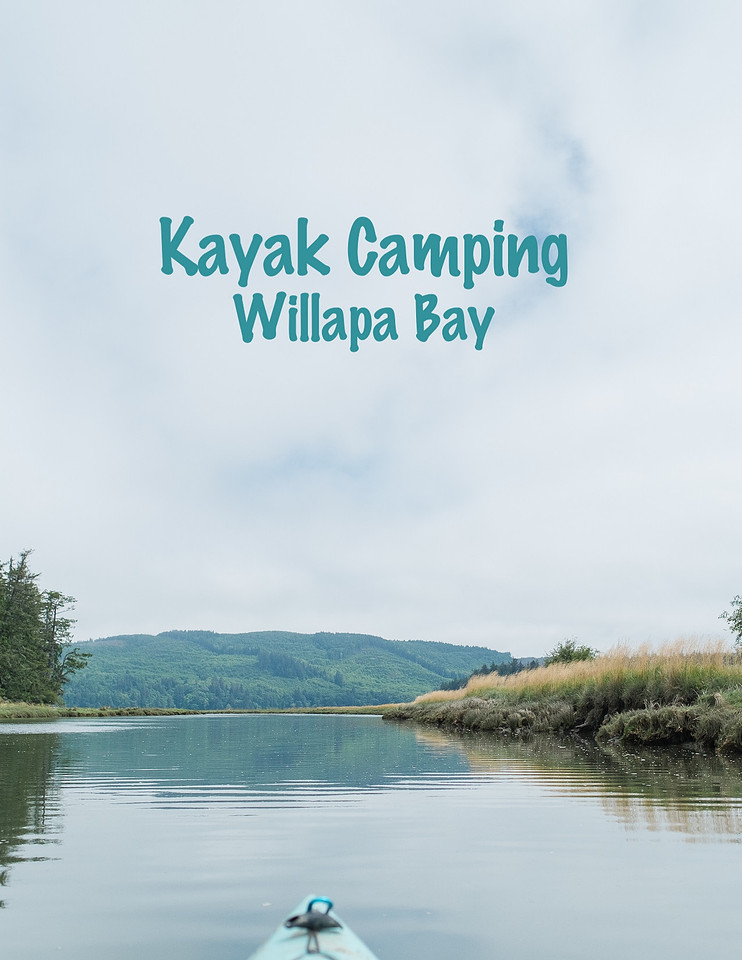

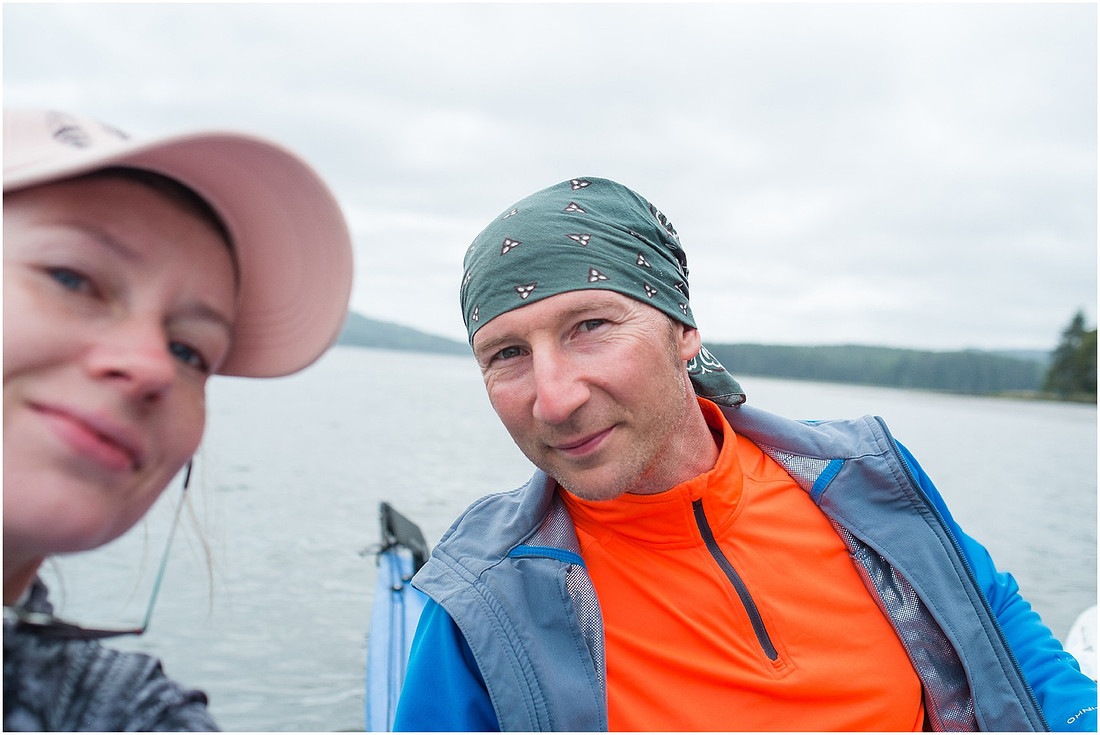
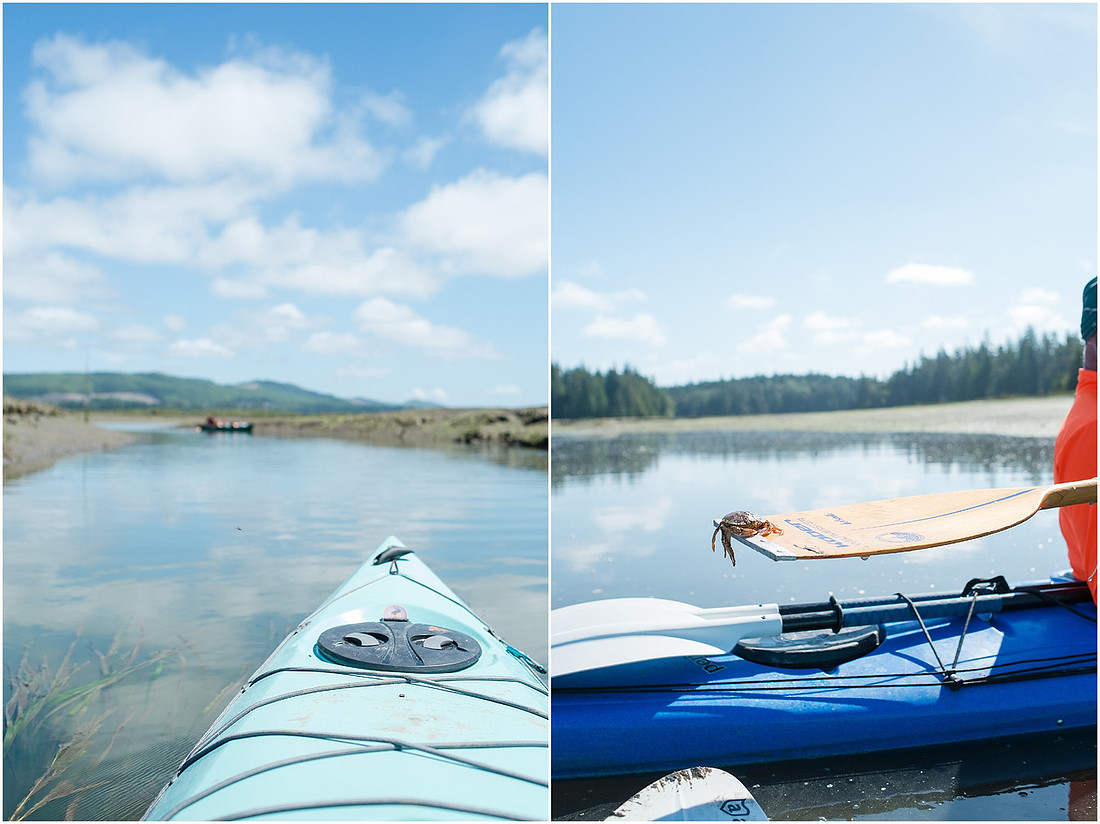
Ever since I read an article on kayak camping in the Sunset magazine's May 2017 camping guide issue, I've been dying to go. Kayaking is something we regularly do, living near so many rivers and lakes its pretty easy to load up the boats and pack a simple meal after work to go enjoy some calm waters. Its my favorite time to go out. As the wind dies down in the evening, the water gets glassy reflective, the fish start jumping for a meal and the setting sun casts its golden light on everything. It's magical.
Since backpacking had replaced our yearly car camping trips years ago, the longing for an uncrowded, quiet, rugged outdoor experience is what we crave. I figured kayak camping would be like backpacking but without having to carry everything on your back! (Although I think I should have done more upper body arm workouts beforehand)
Keep reading till the end and you will find a quick list of tips for planning your own kayak/canoe camping adventure!
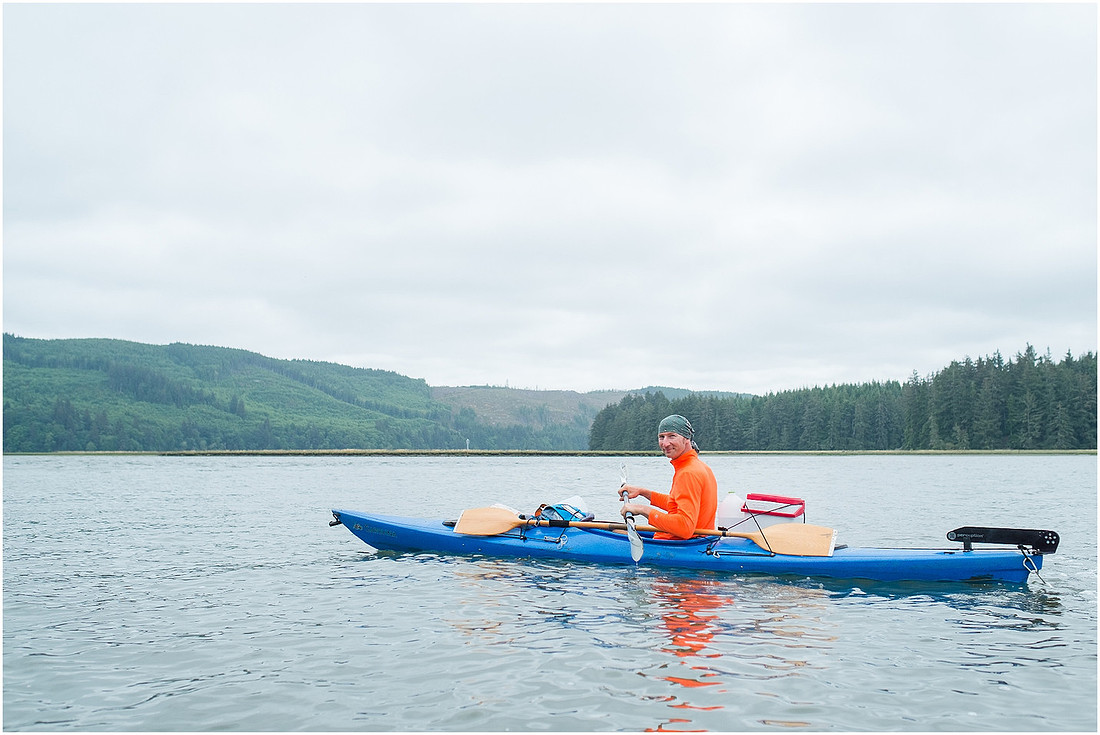
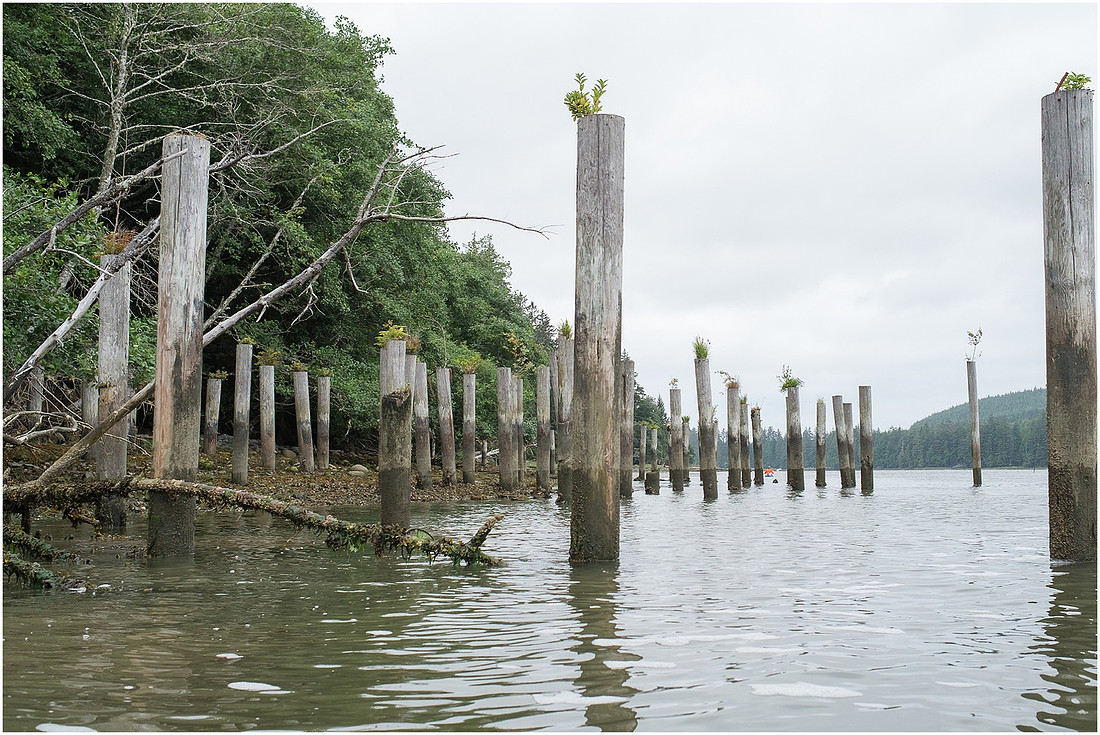
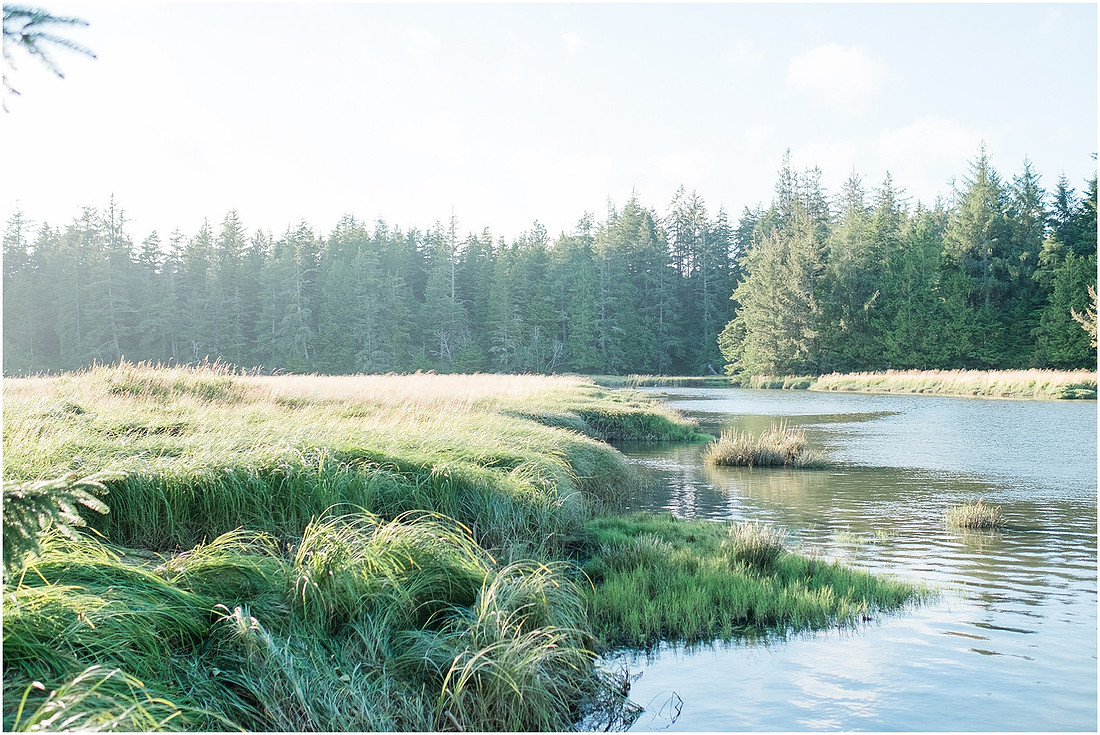
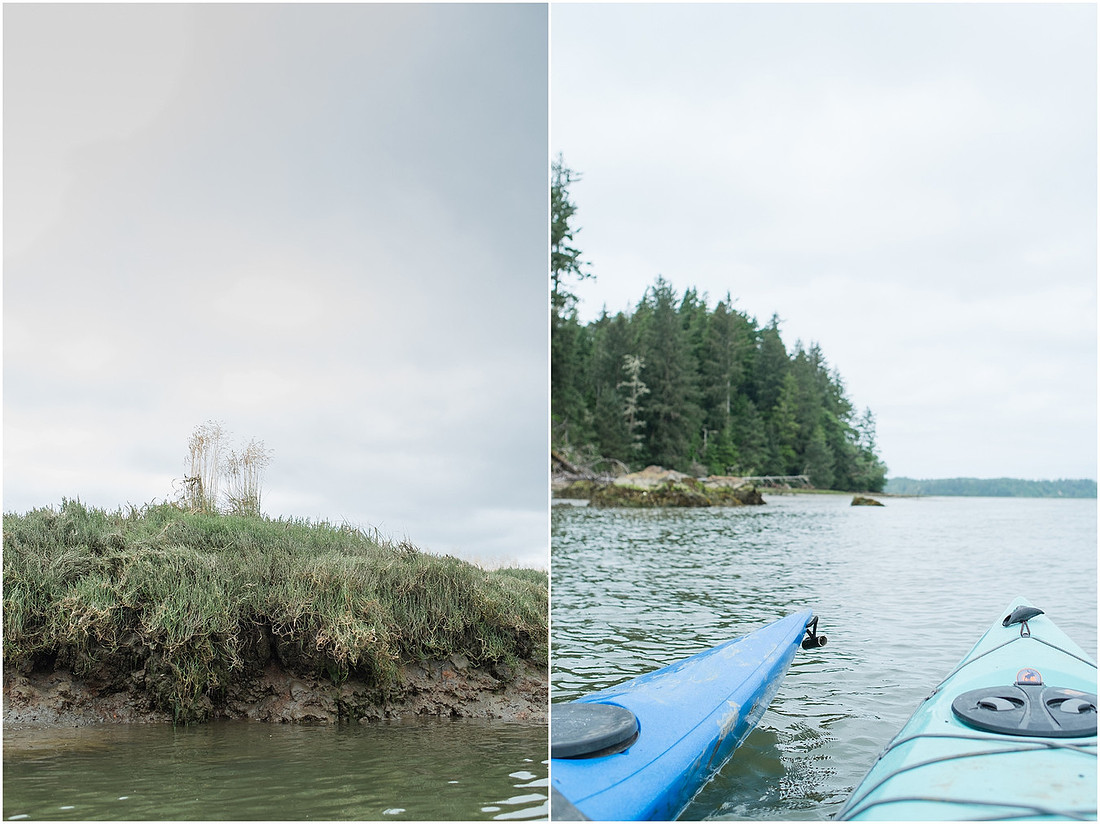
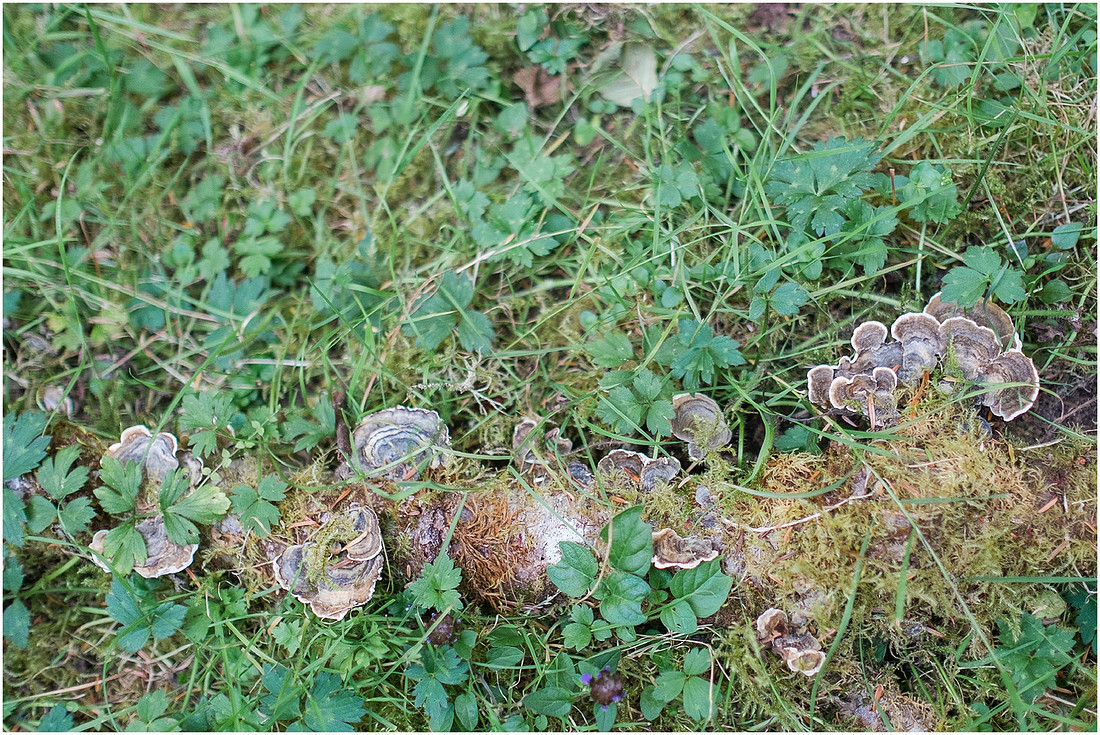
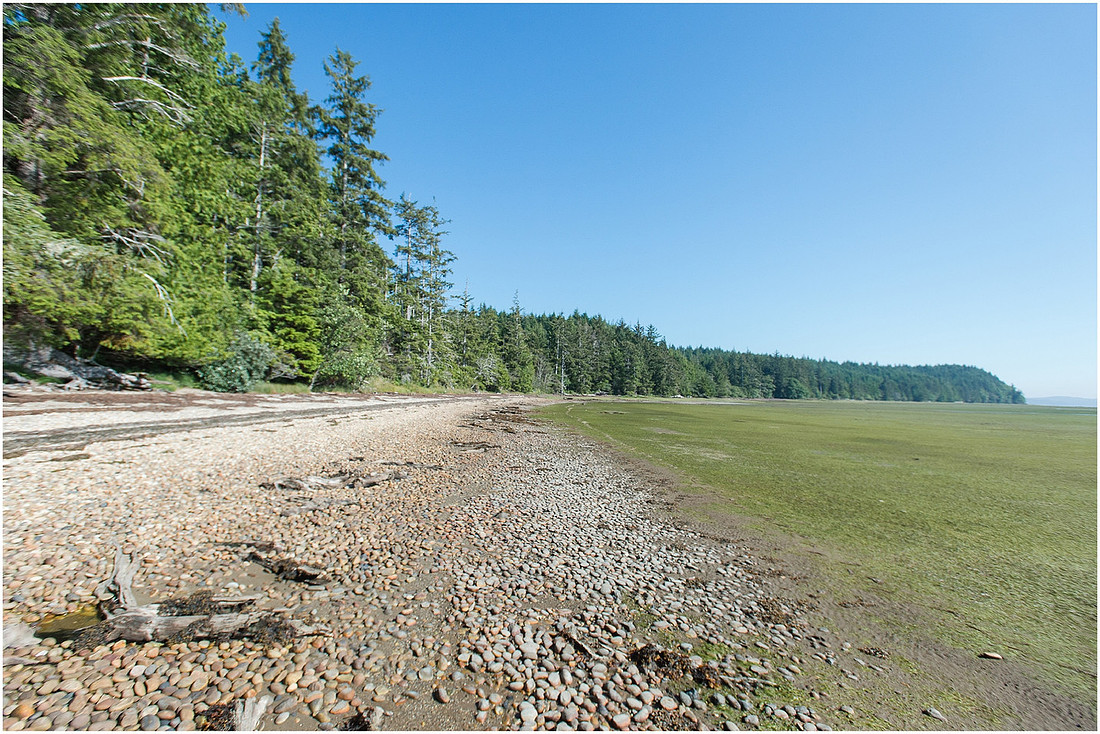
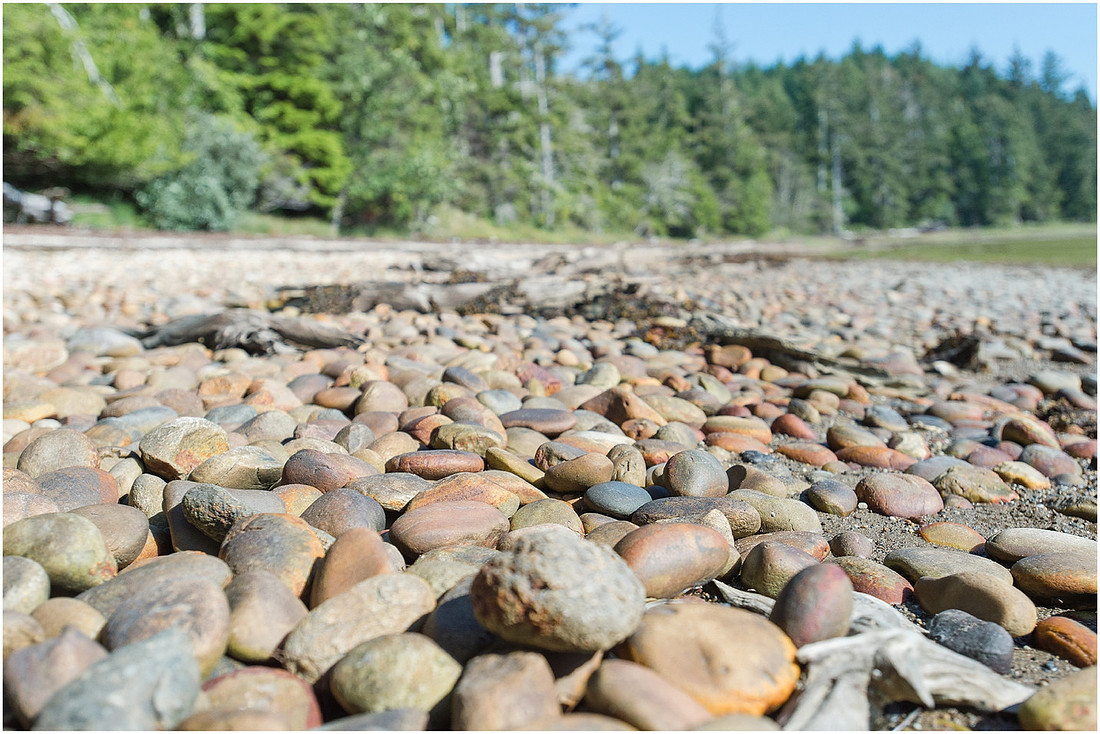
We researched a few locations. There really are many options near and not so near us. We decided on Willapa National Wildlife Refuge near Long Beach Washington. Long Island to be specific, which is accessible only by private boat. It's 5,460 acres are covered in lush coastal forest and surrounded by mudflats. These mudflats are serious! Its almost impossible to walk on the mud. Yes, we tried, its slippery, stinky, and almost like quicksand, sucking your shoes deeper inside the muck and not letting them go!
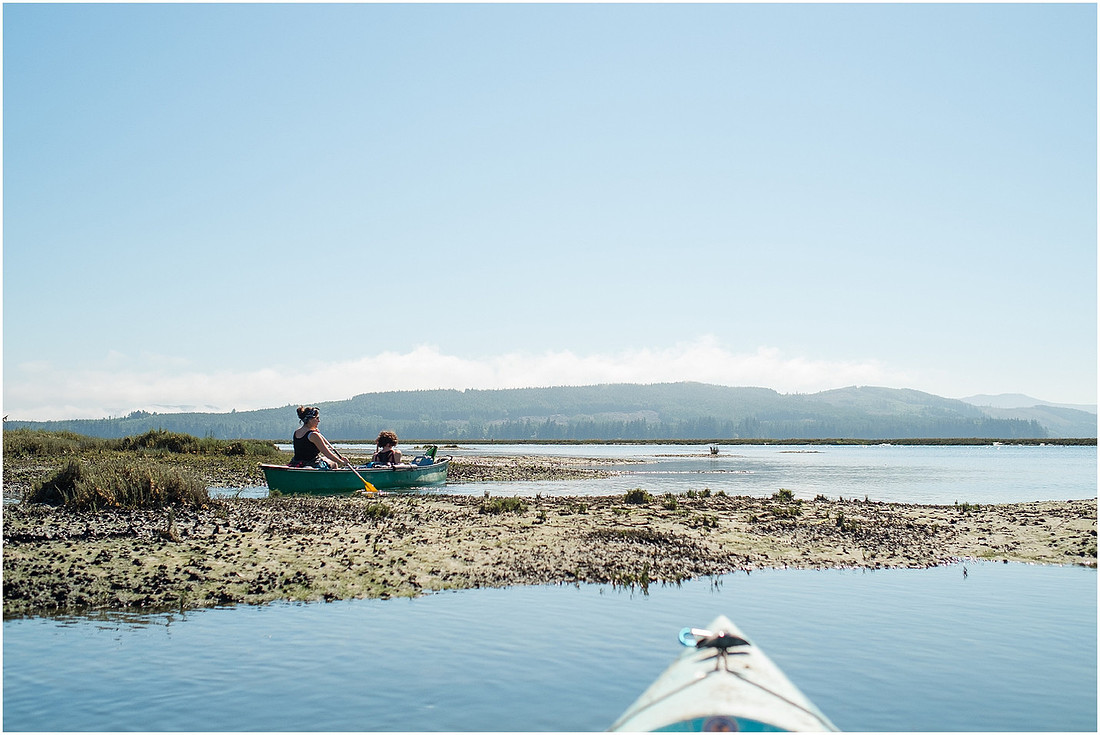
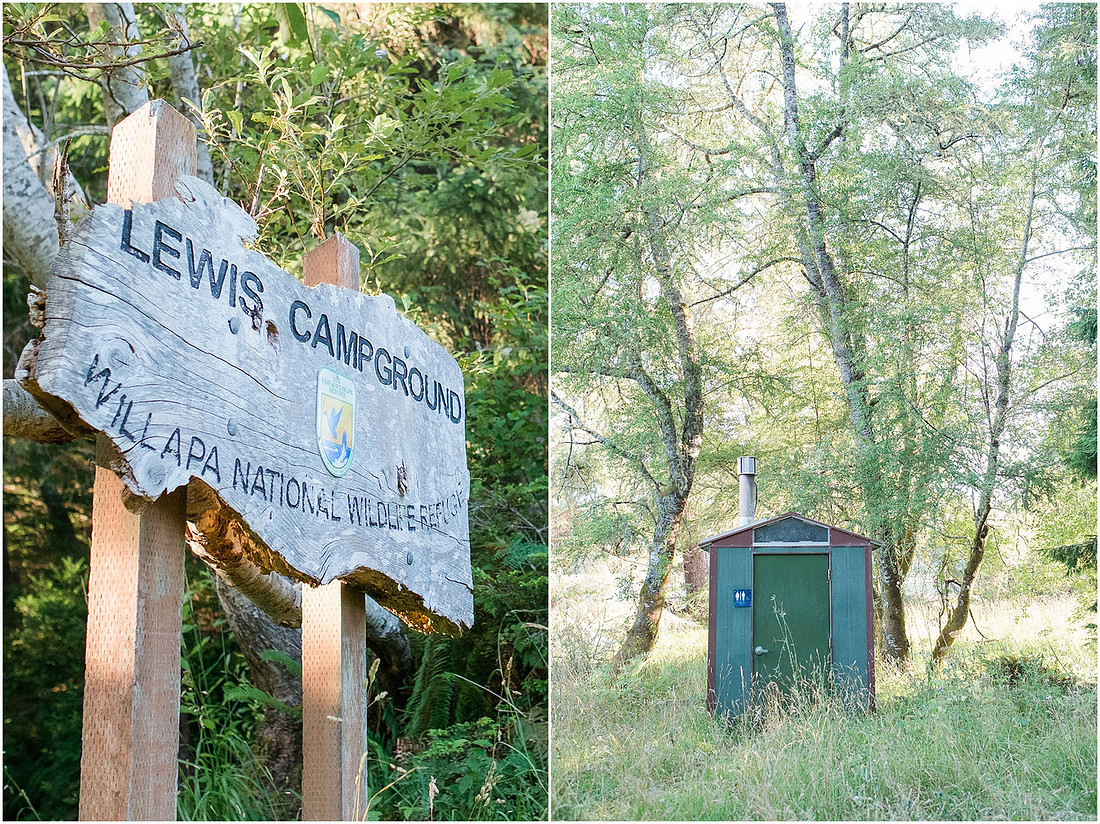
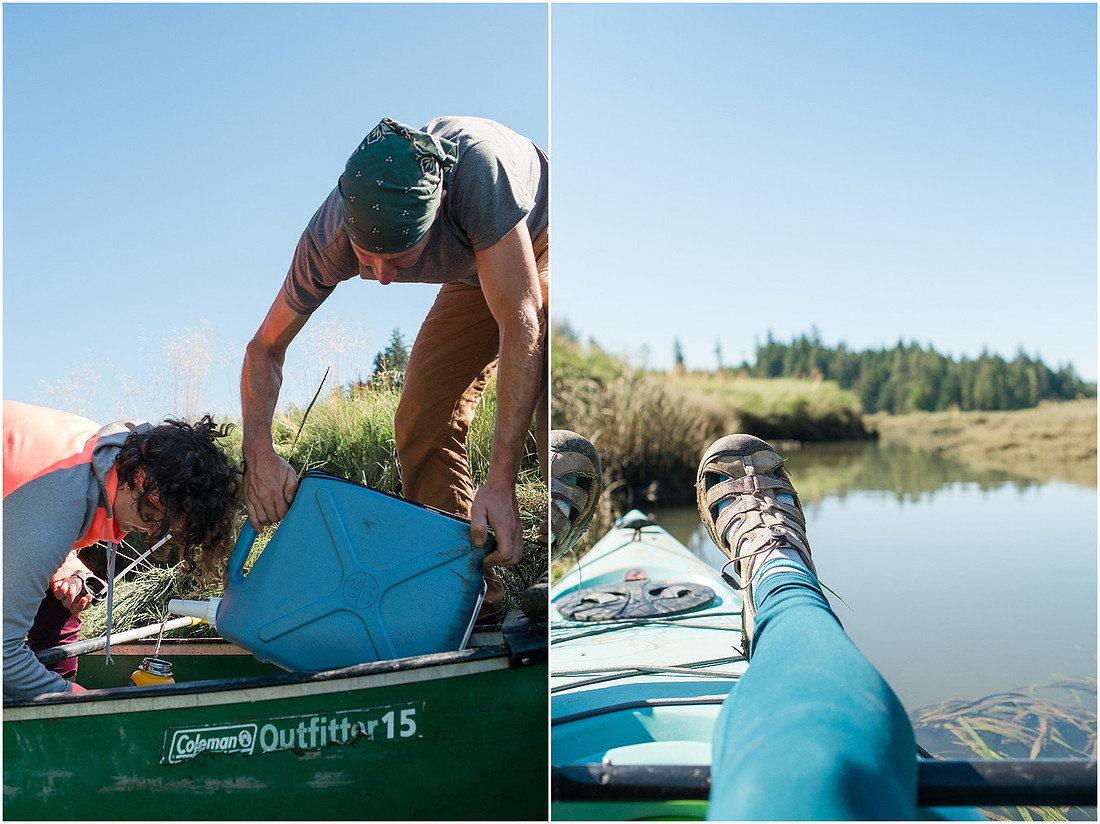
There are five primitive campgrounds, a total of 20 campsites on the island, some of which are only accessible at high tide. We took along a tide schedule which helped us know what time to arrive and what time to leave land. Other cool features of Long Island are hiking trails and public clam beds, out-house style toilets for those of you who don't want to bring a shovel. However, there is no fresh water in the island, bringing your own portable water is a must!
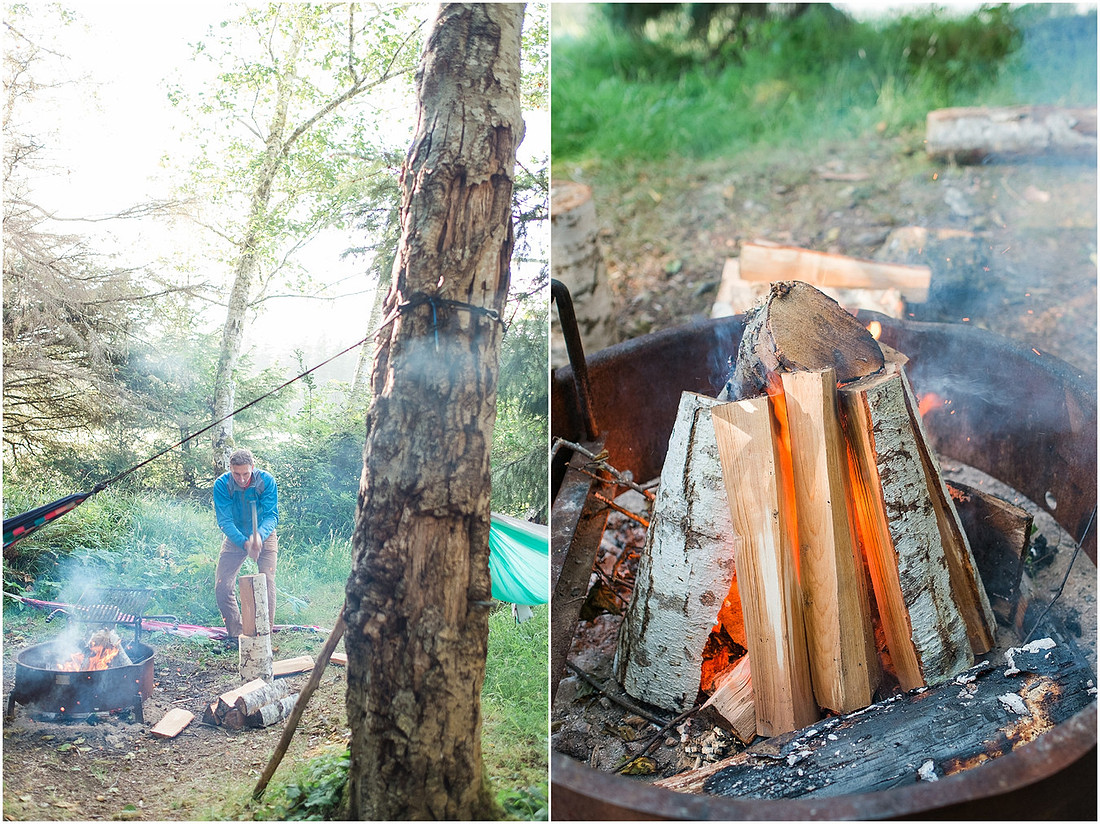
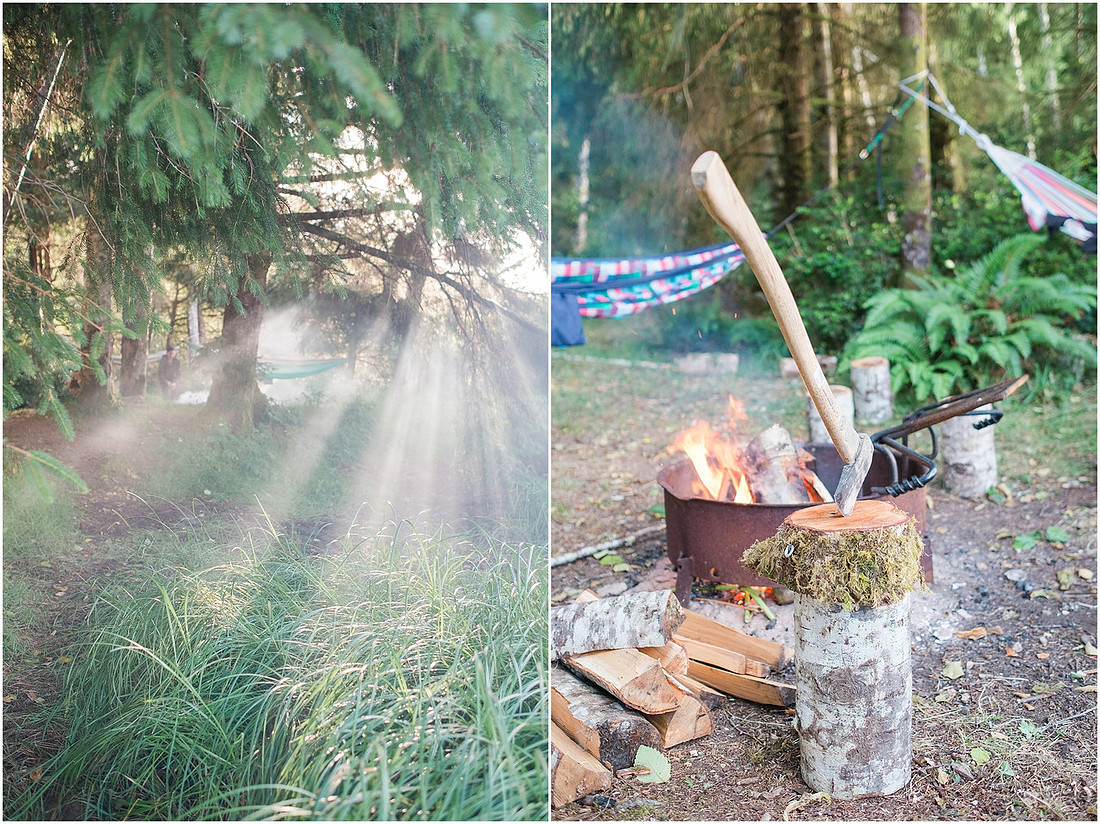
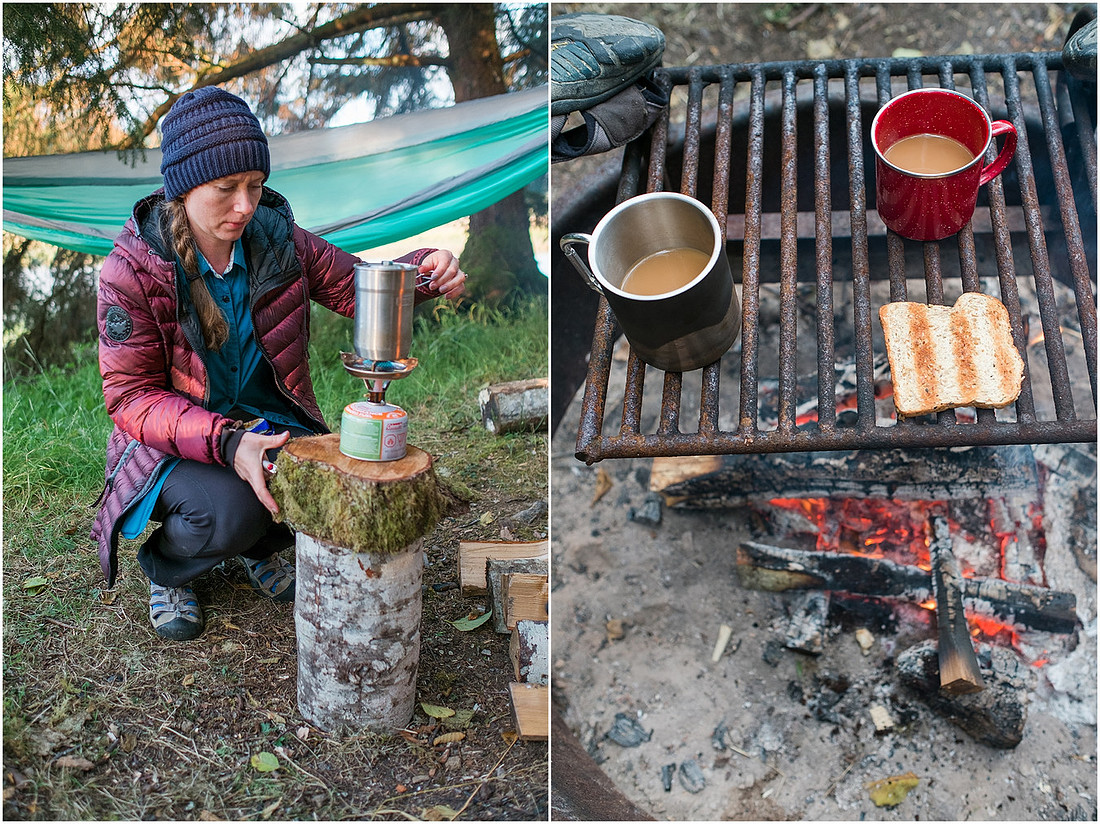
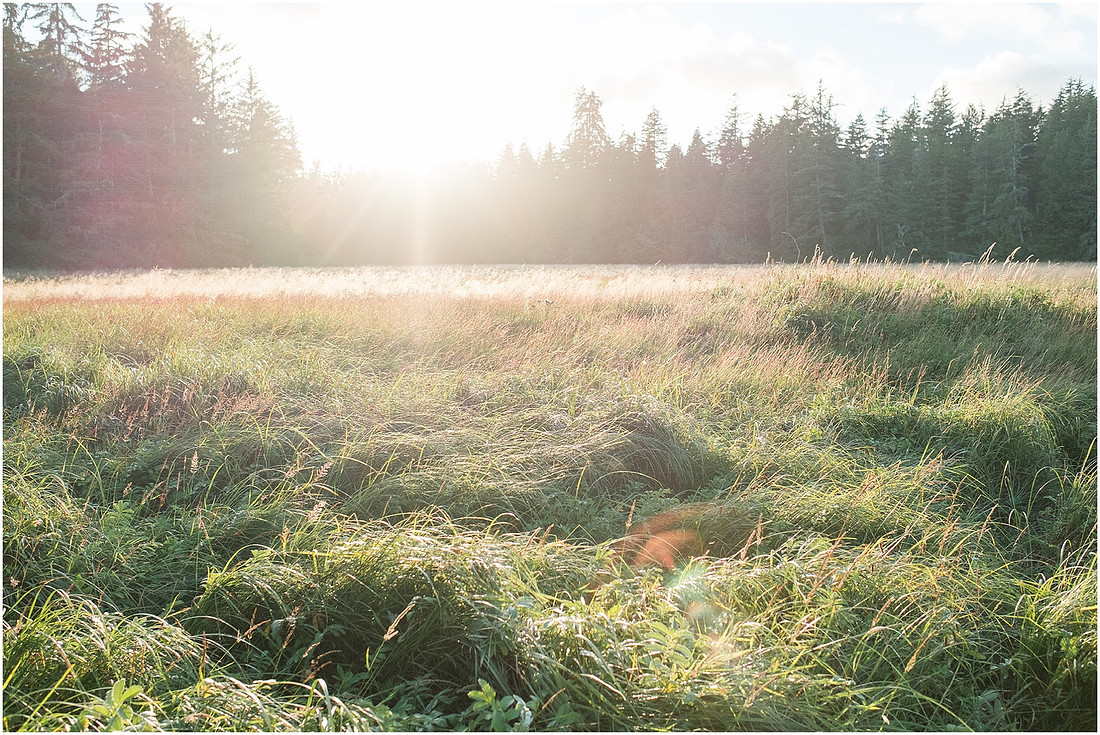
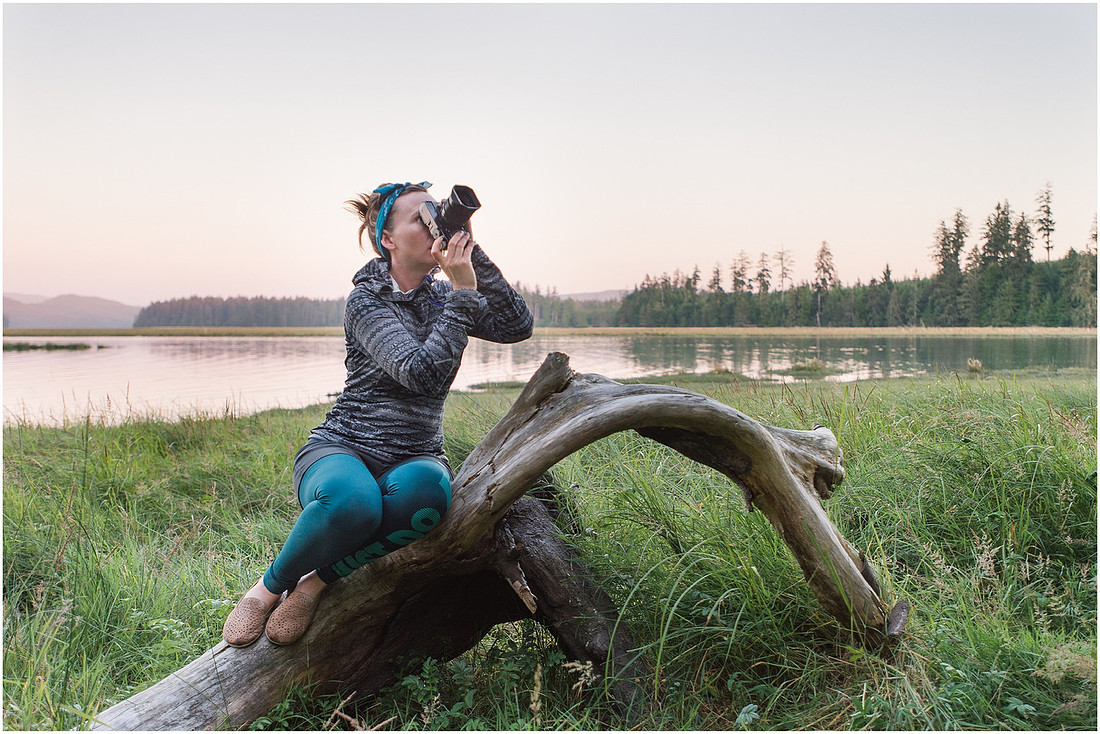
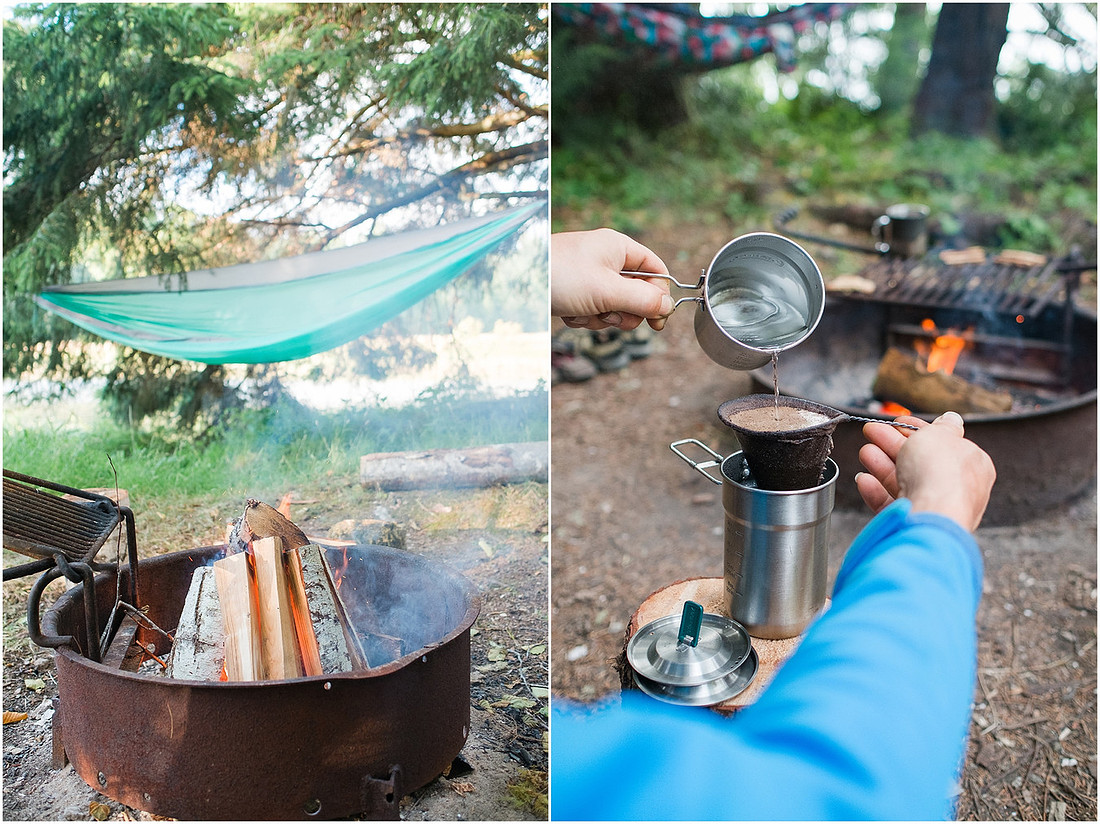
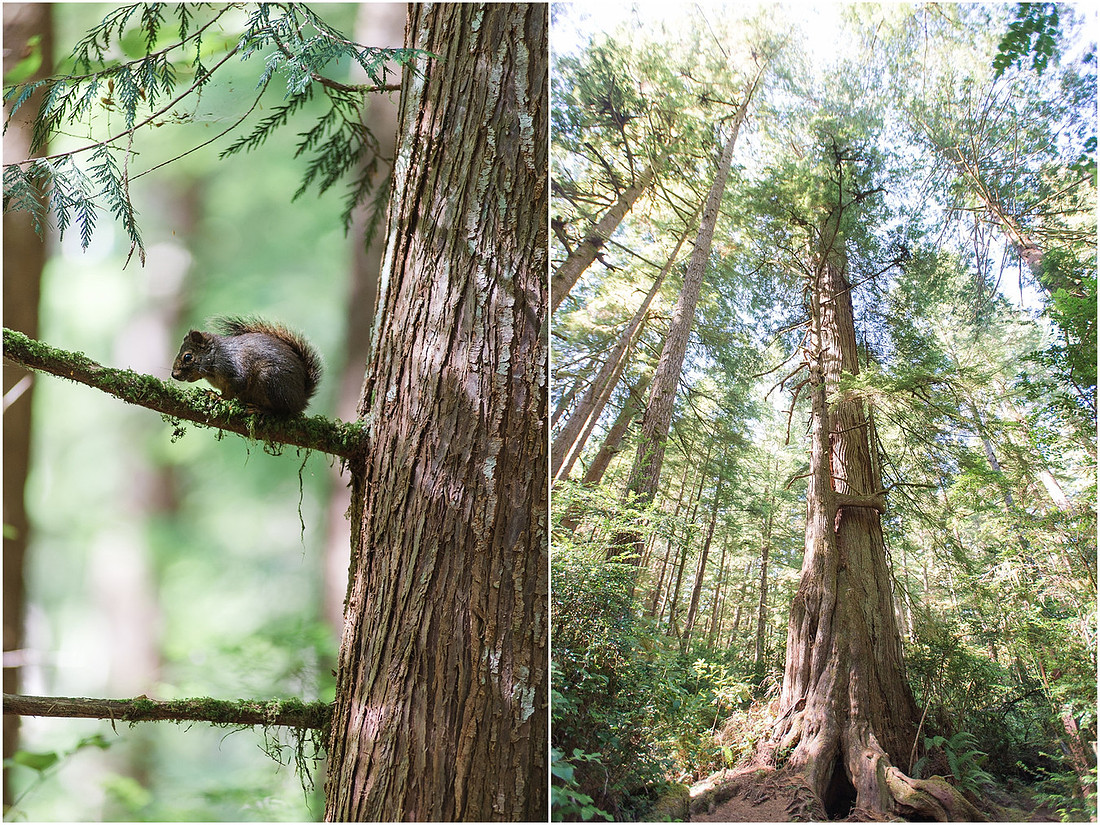
On land we spotted Elk grazing in tall grass in the evening, a porcupine along a hiking trail that quickly hid from us, and a squirrel in a tree that posed for his picture. While on the water we saw a mama raccoon feeding on the clam beds with her young ones (they ran away too quickly for me to get my camera out), and a curious otter swimming along the coastline.
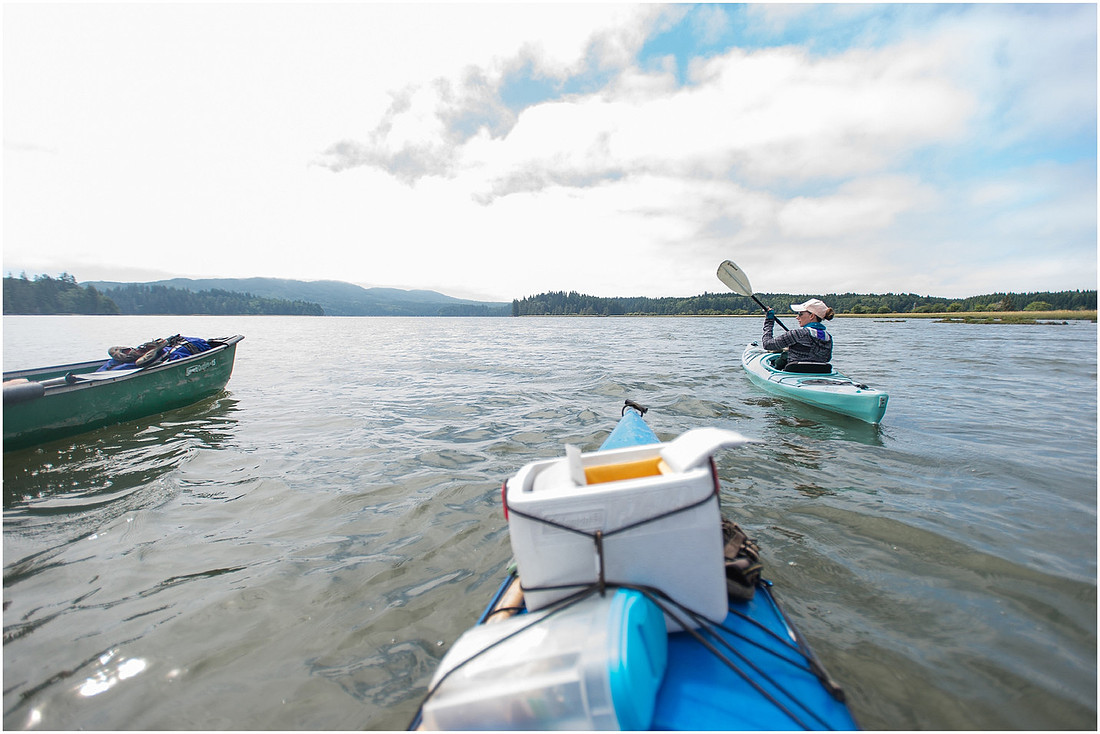
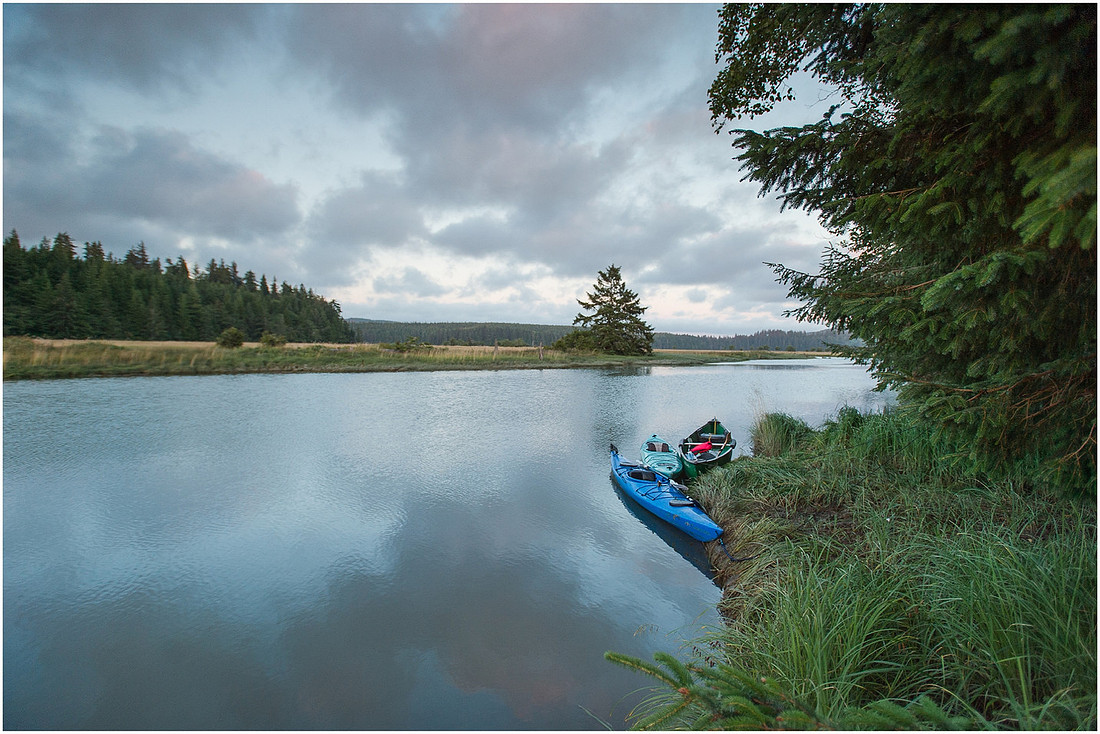
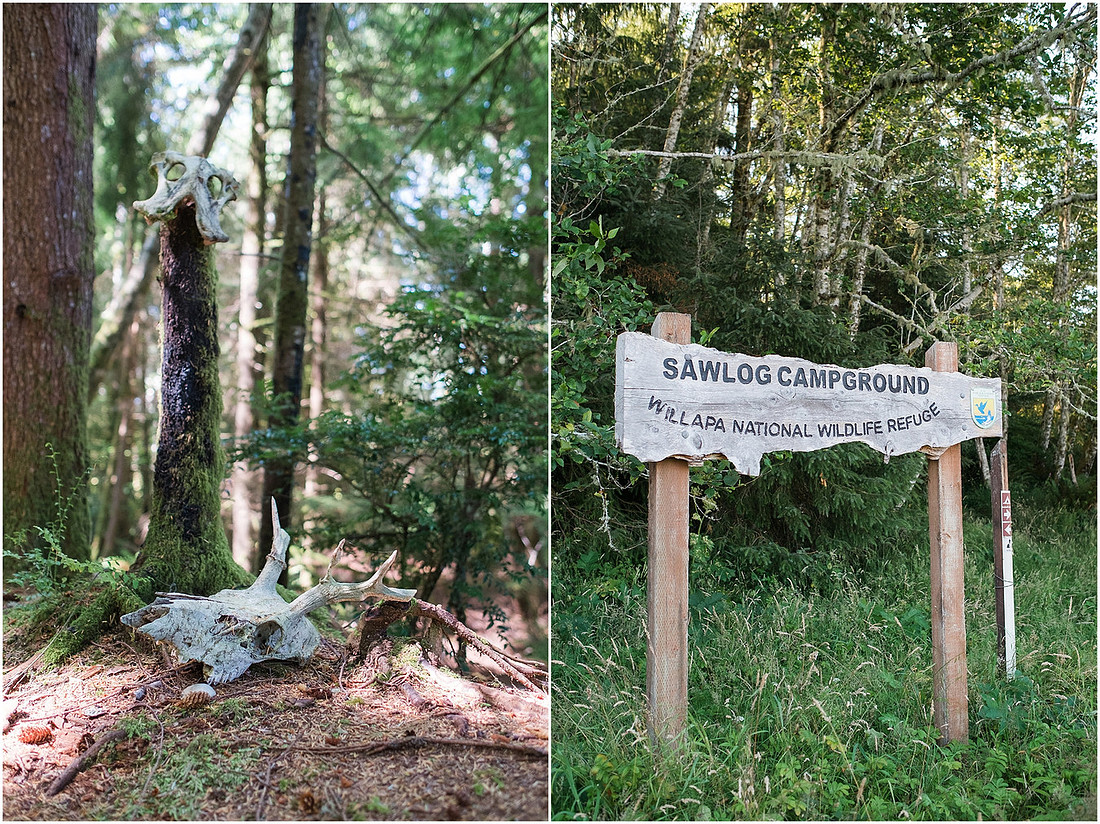
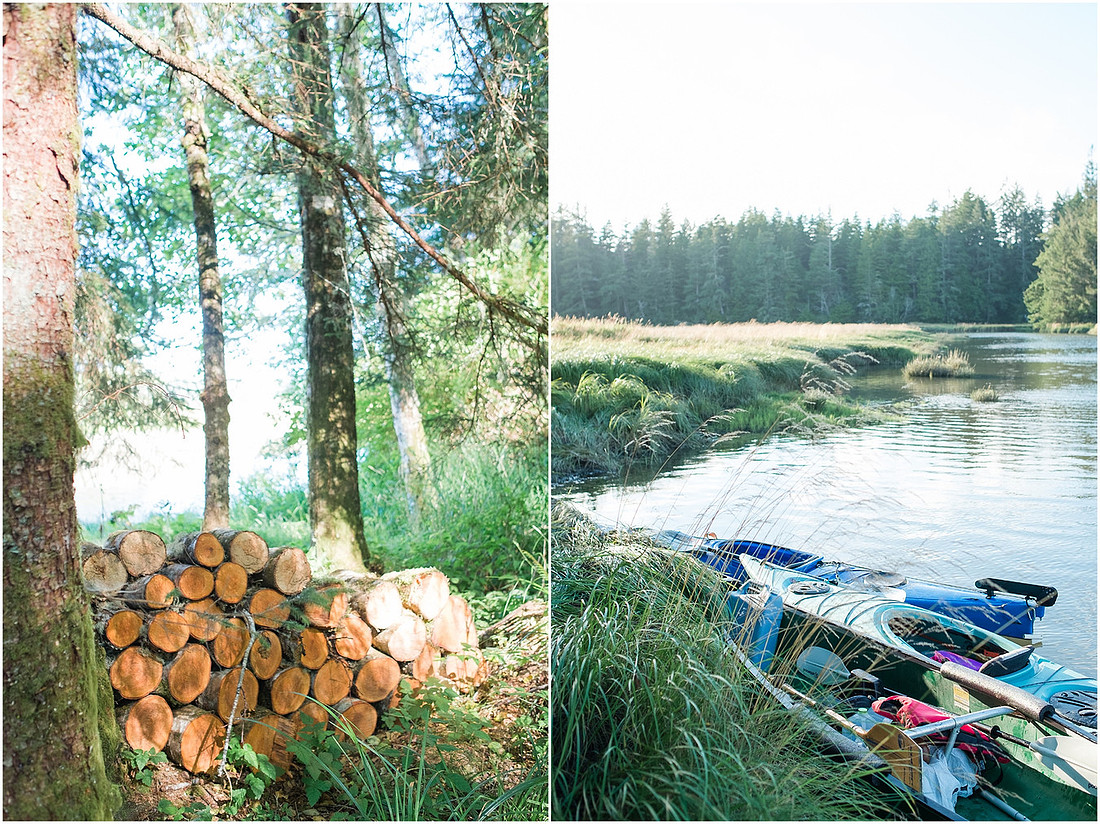
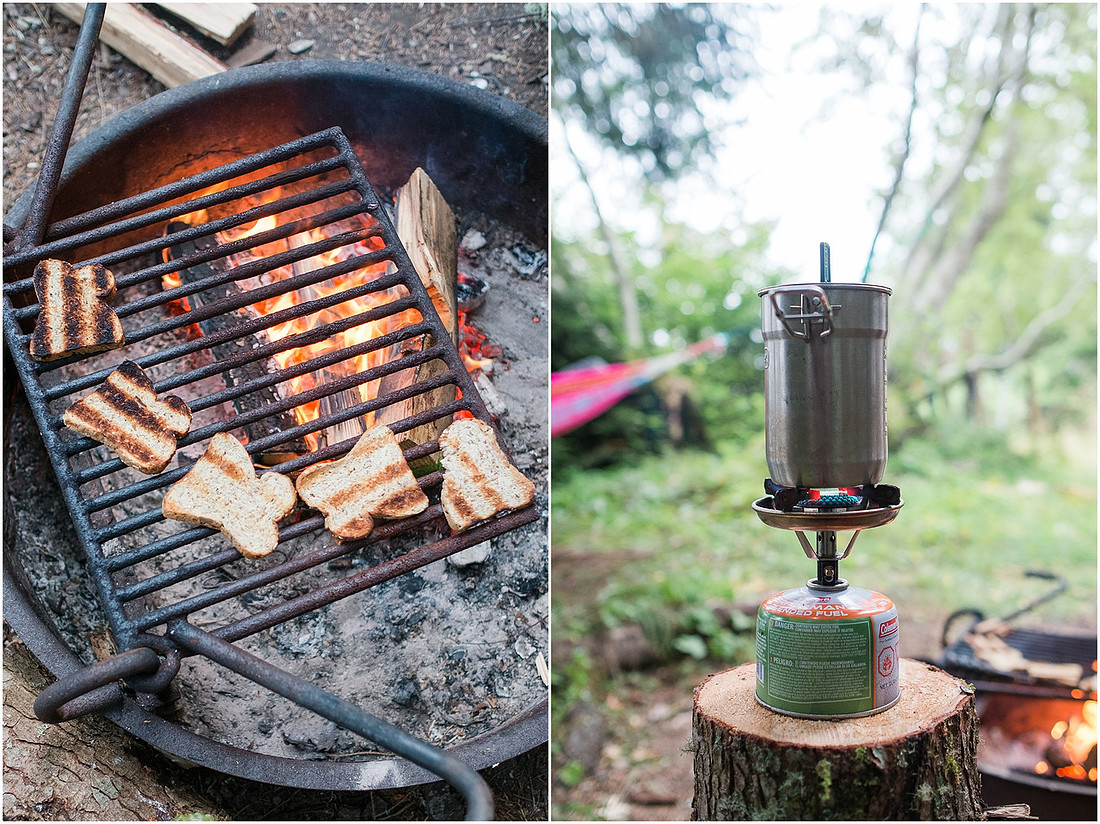
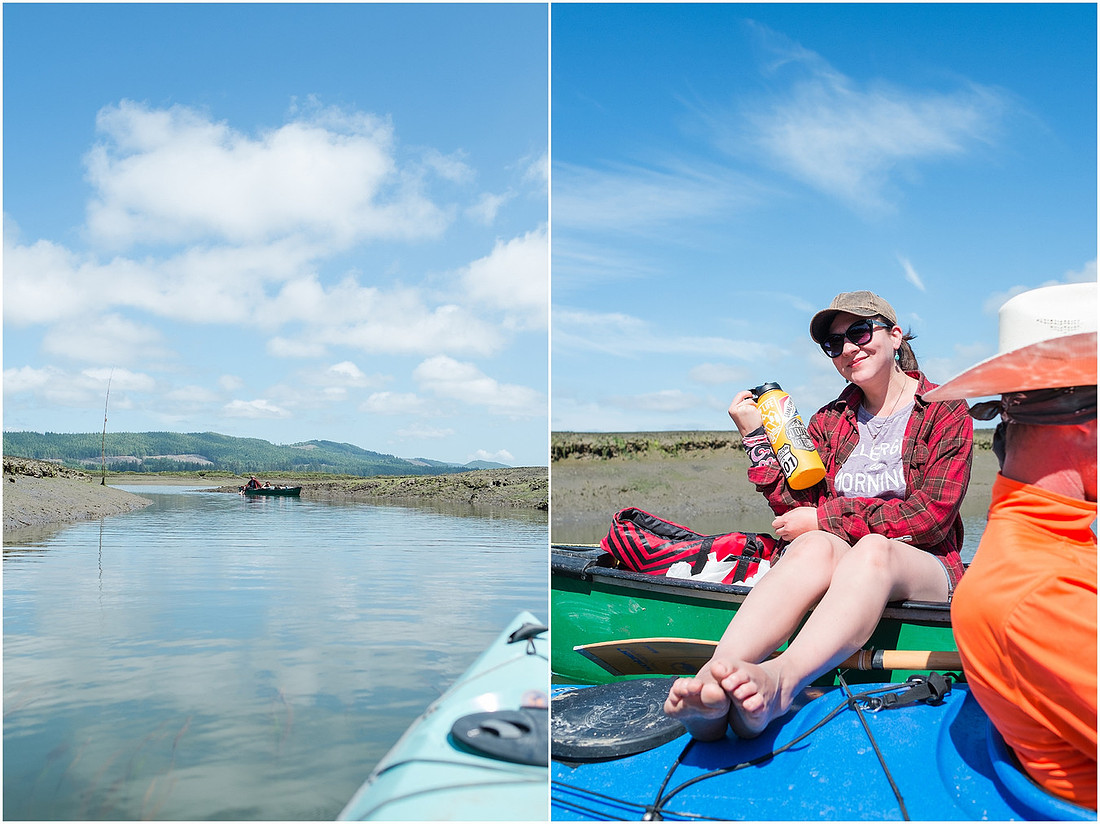
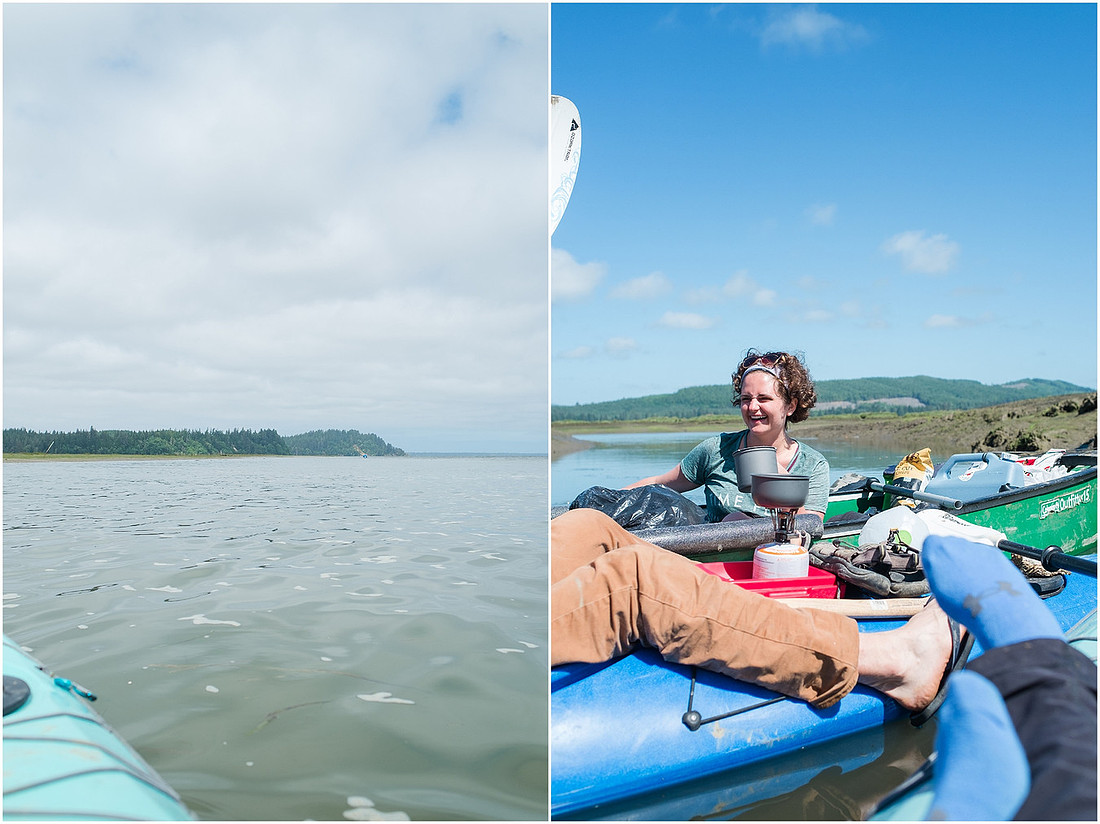
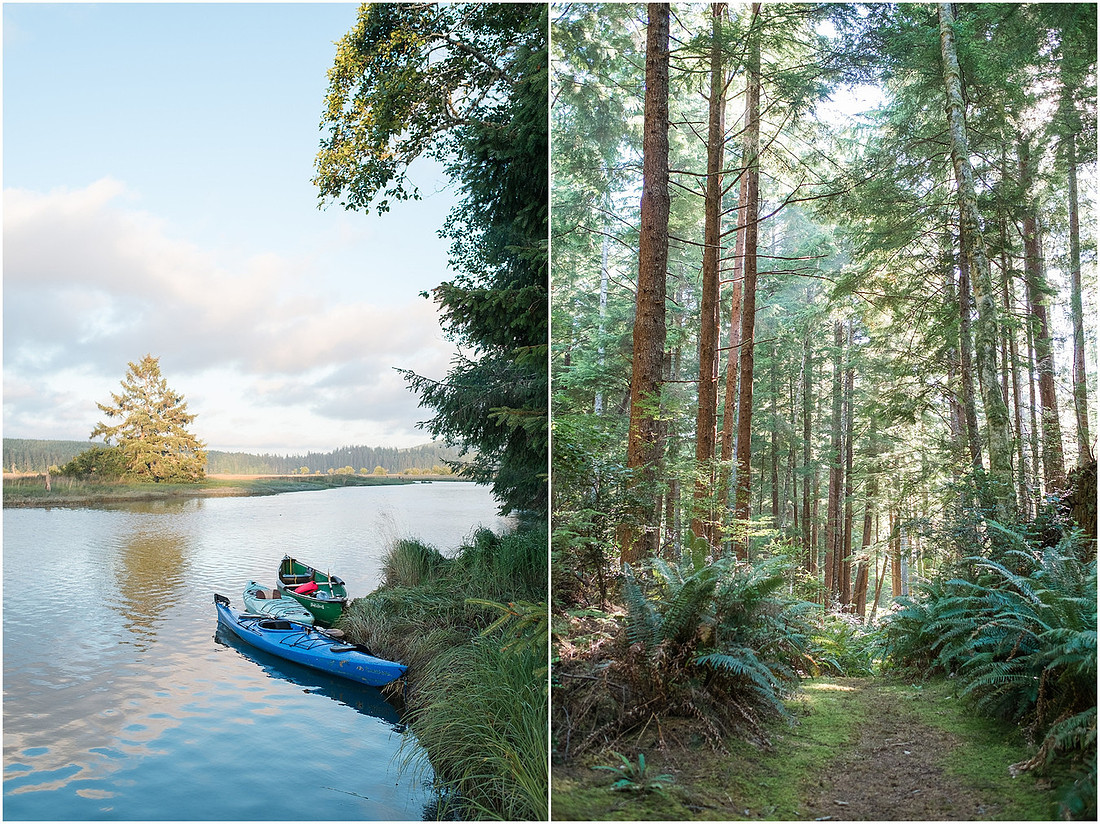
On this three night, four day trip we kayaked all four days and stayed at two different sites, Lewis and Sawlog campground. Lewis campground was more difficult to find as we were just using a map as a guide and we arrived at low tide. The sign was partially covered from view and unlike Sawlog that was right at the edge of land, Lewis was somewhat of a walk from where we parked our boats and we had to carry our gear to camp. So, while we waited for the tide to rise, we connected our boats together, cooked on the boats, had a floating lunch and explored until we could access dry (not muddy) land.
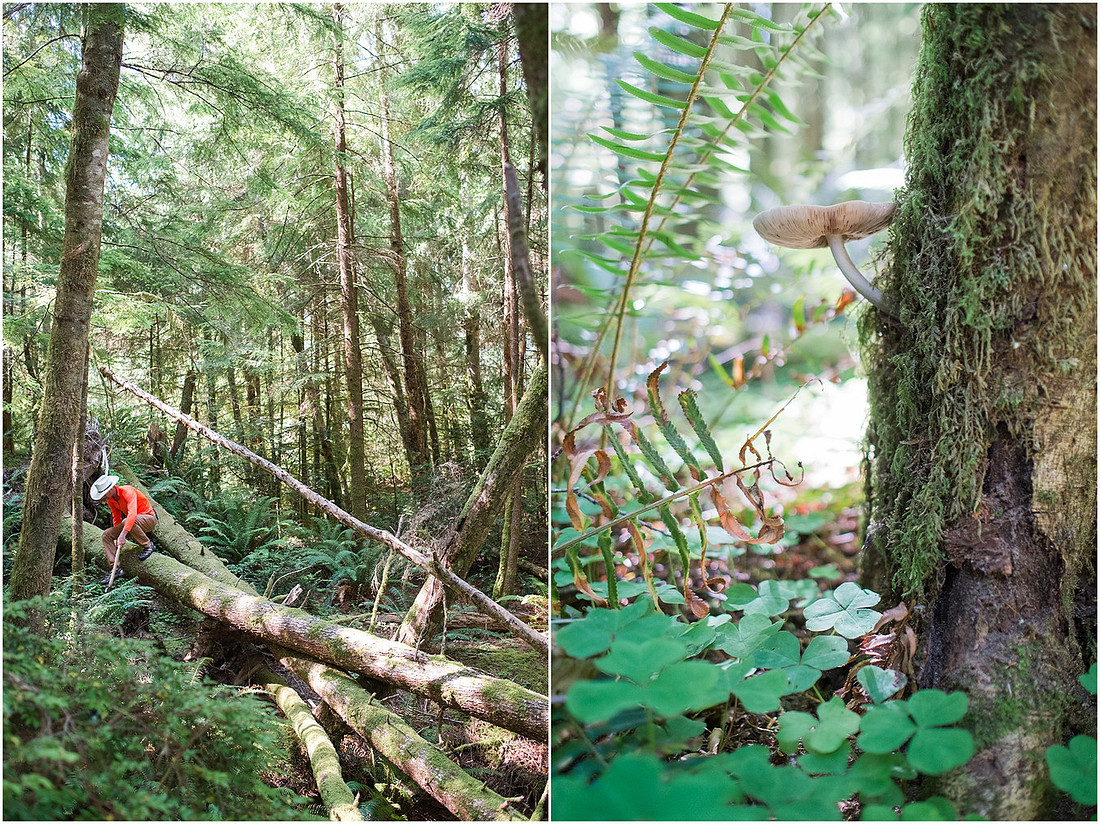
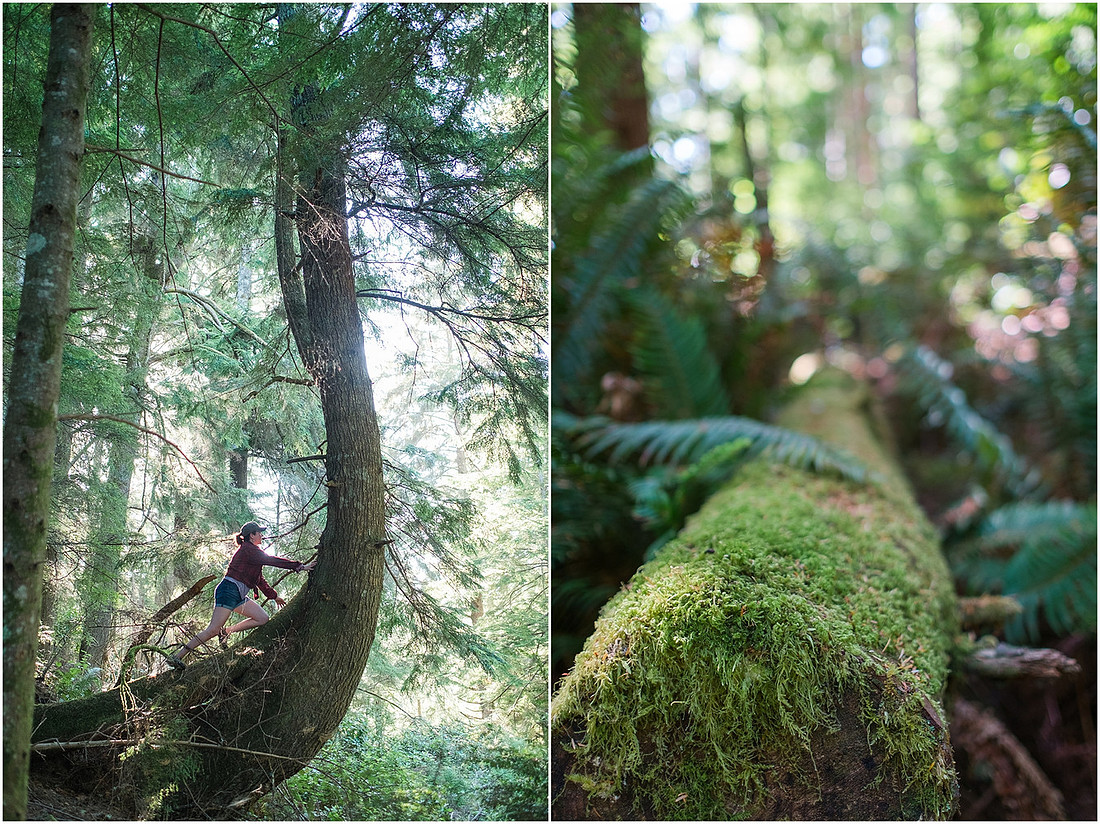
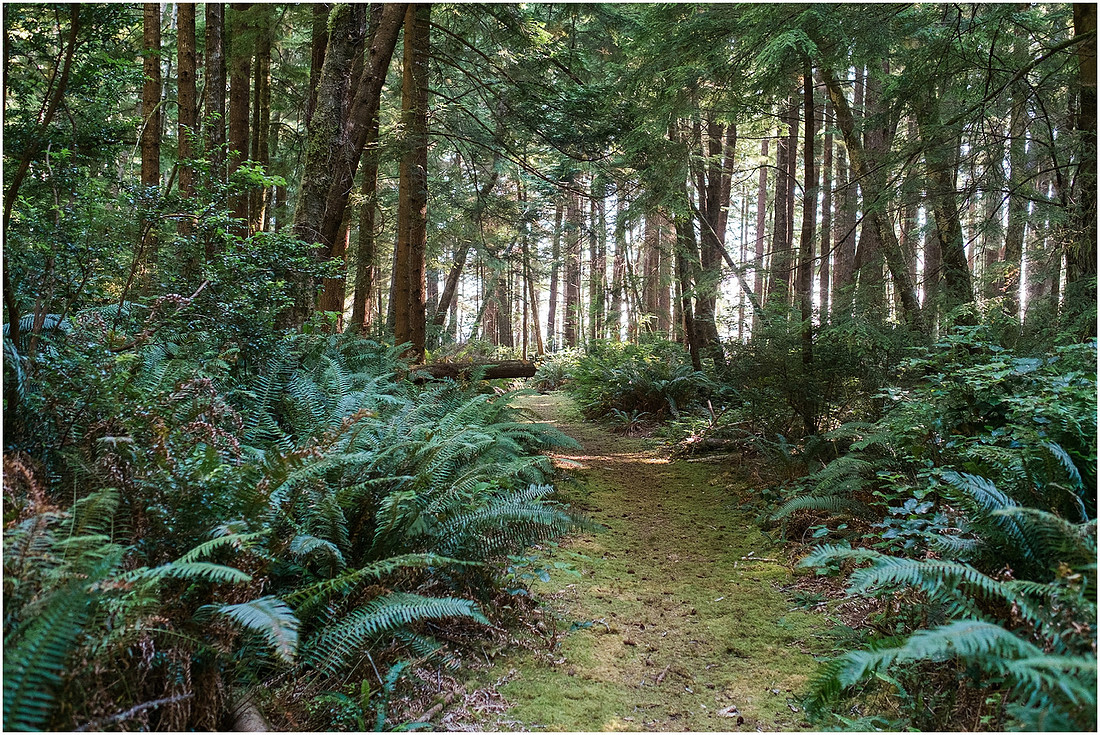
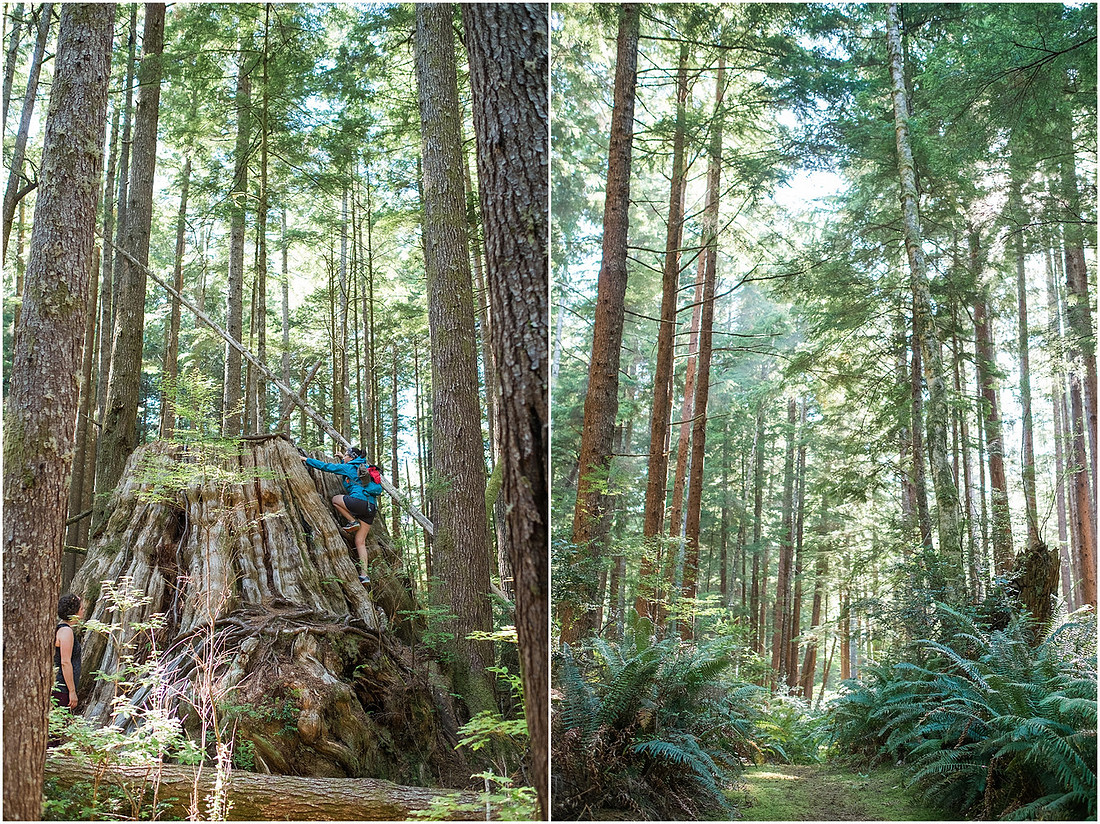
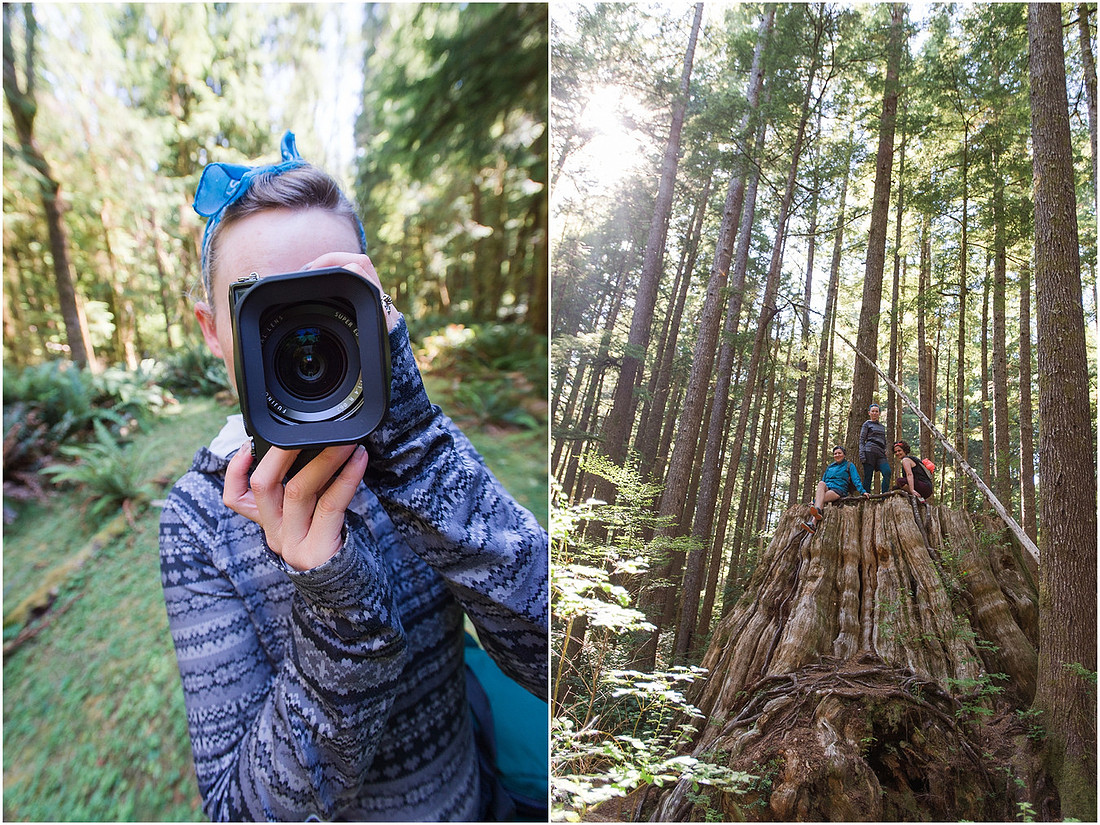
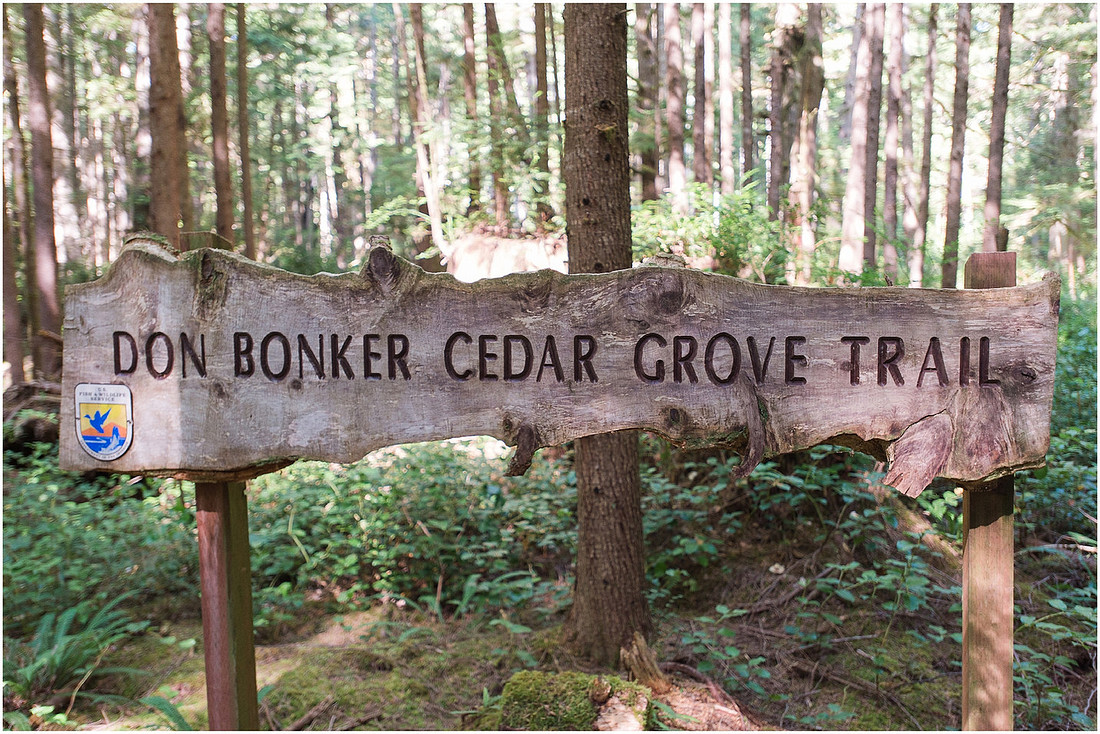
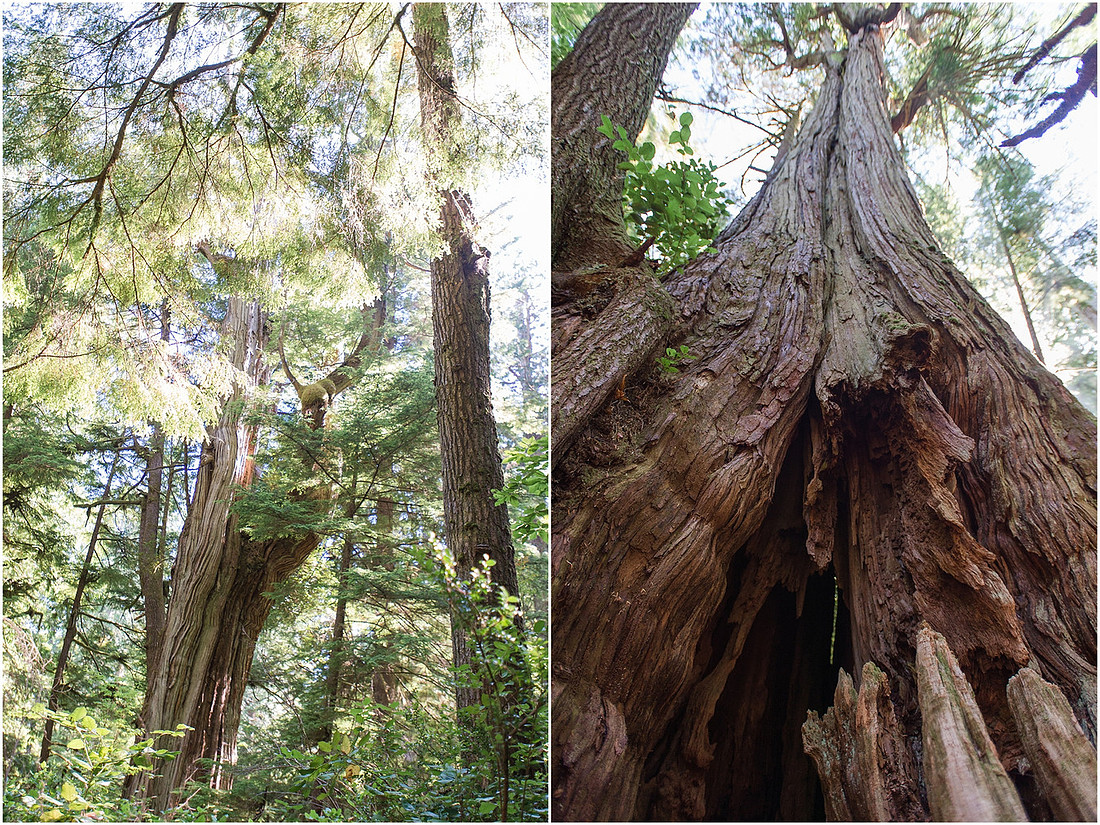
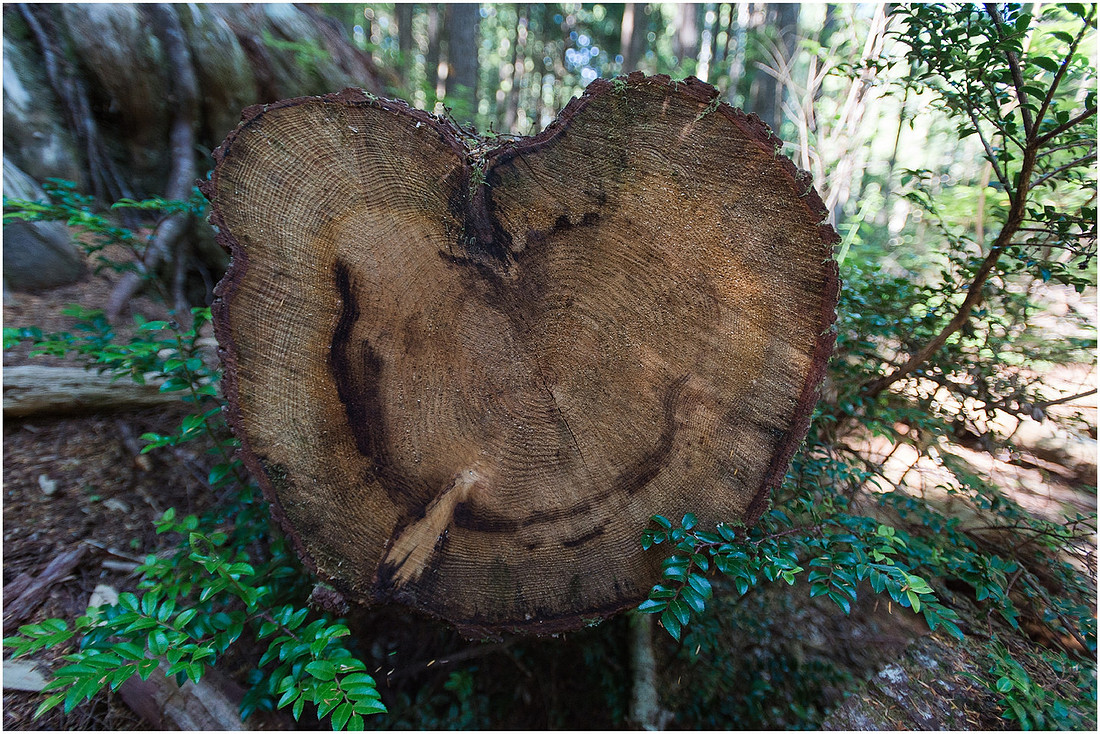
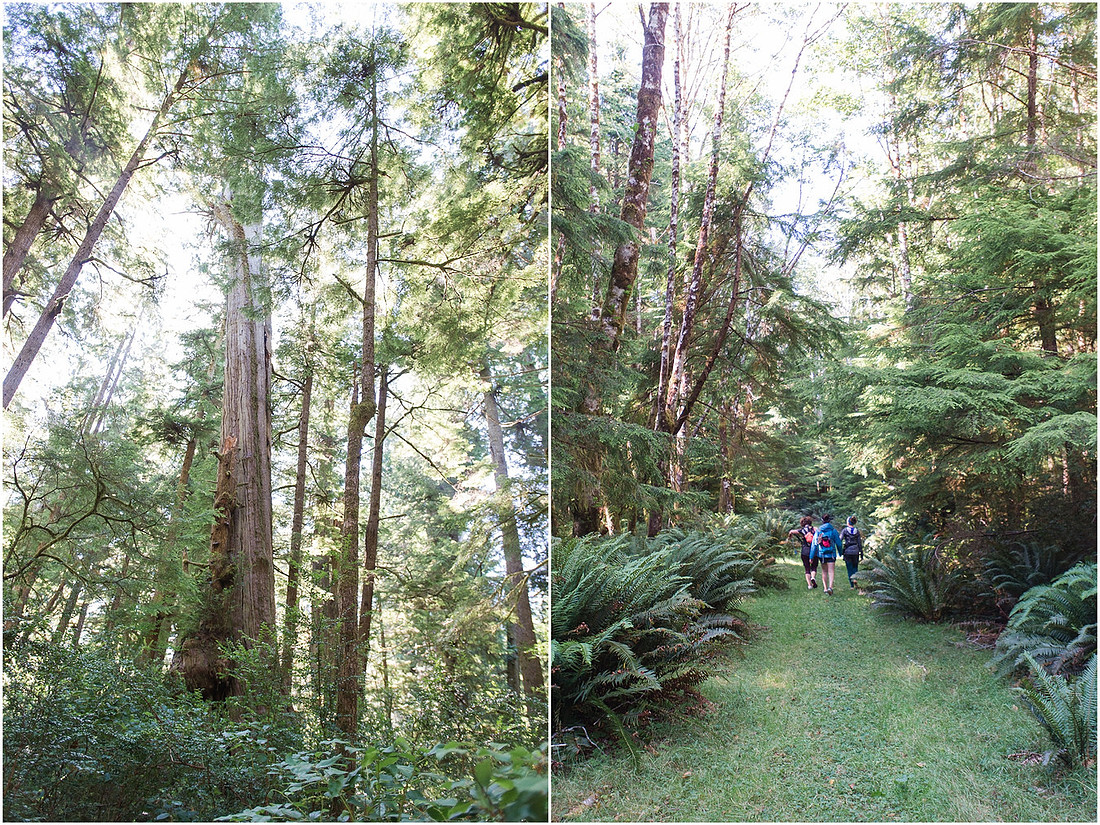
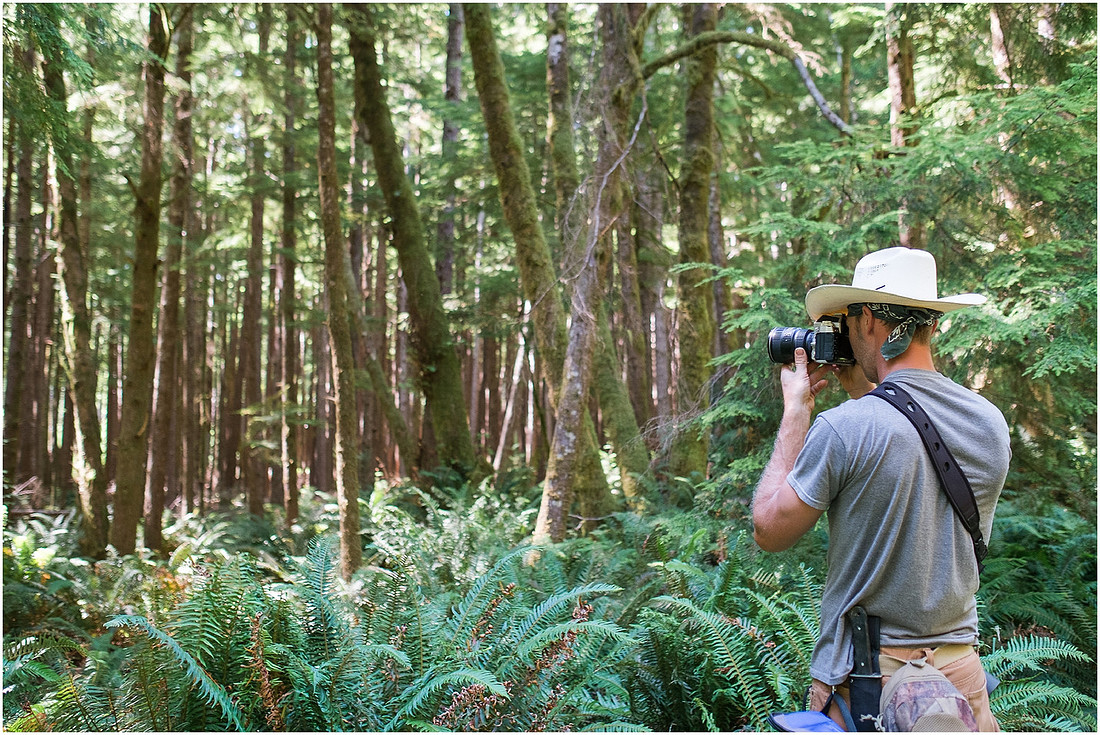
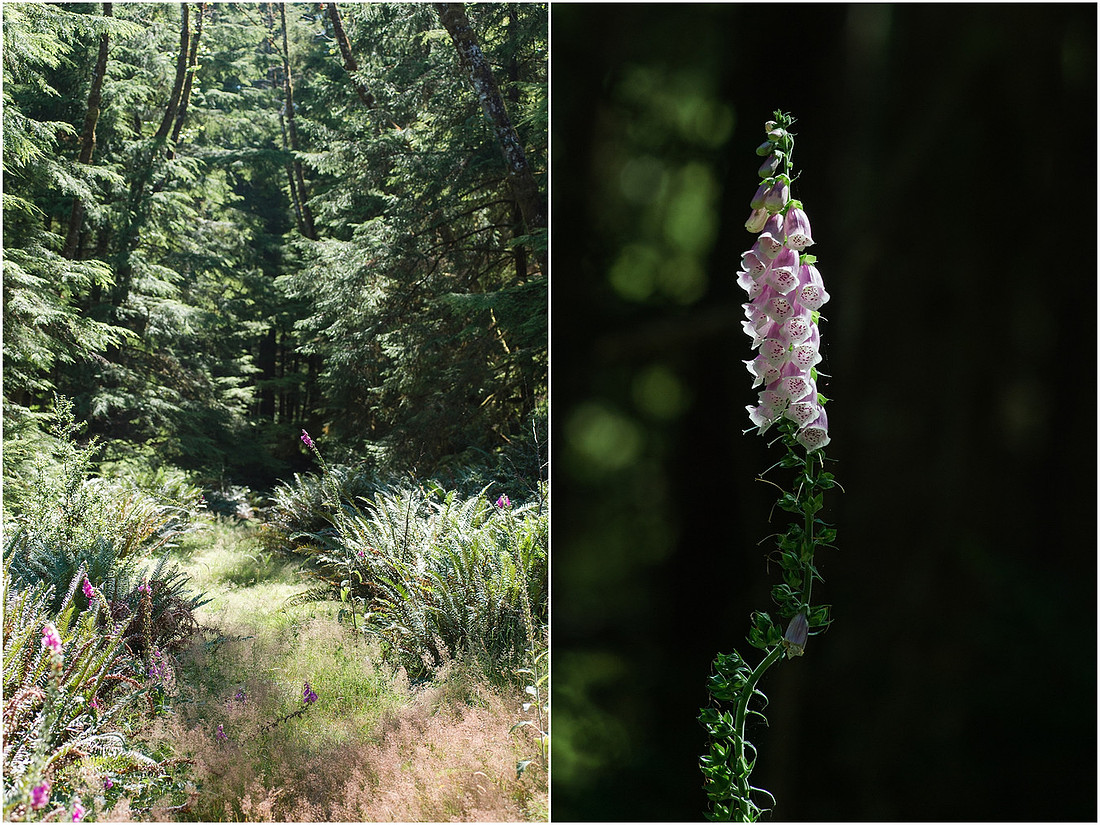
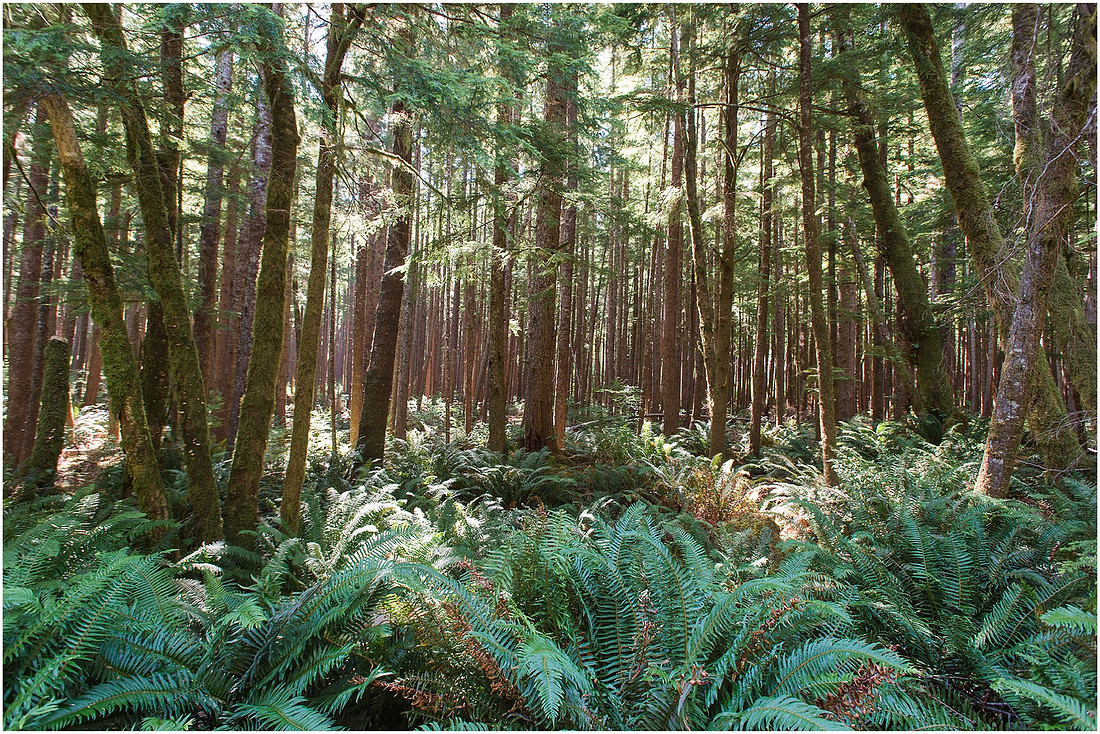
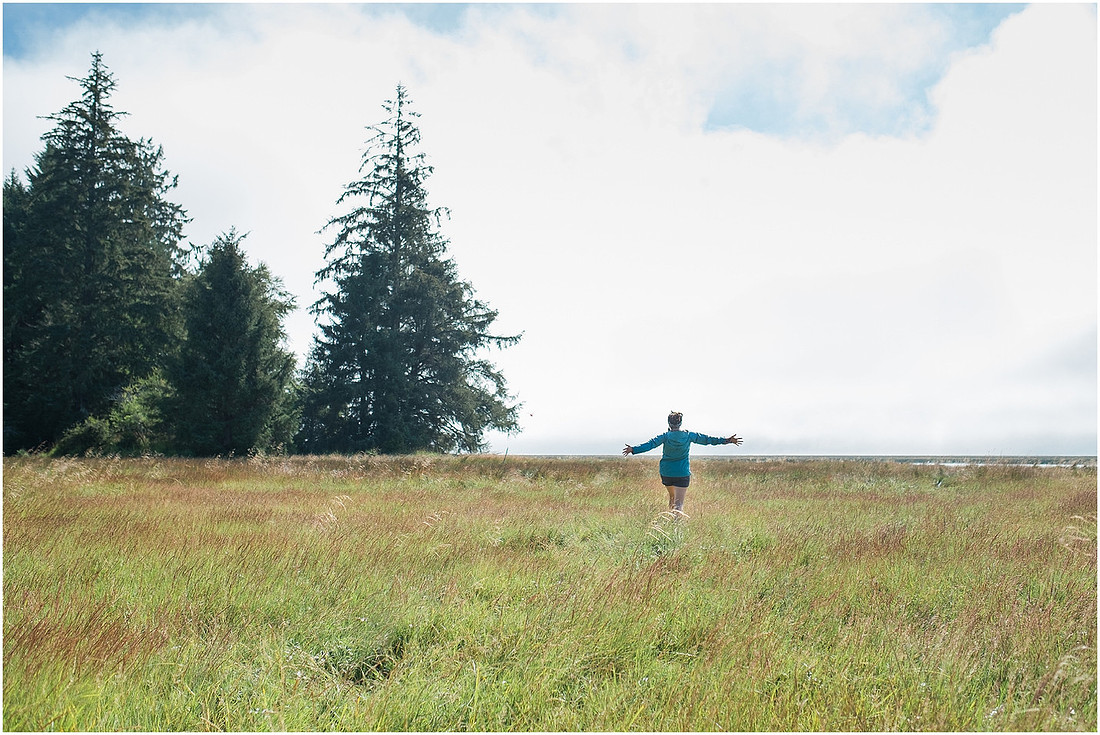
We also hiked the few miles from our campsite at Sawlog to the Don Bonker Cedar Grove which is 274 acres of 1,000 year old Western red cedar near the islands center. Hiking through the middle of the island feels like going through a fairytale land. The trails are wide and shaded, covered in grassy moss which makes your footsteps silent as you walk. Ferns and scattered wildflowers line the edges of the trail and seem to lead you along in the right direction. Beyond the ferns is a thick and tall forest with rays of golden sun filtering through and barely reaching the ground. We walked, we ran, we skipped, we climbed, we talked and laughed, we were the only ones there.
For those of you who may be interested in planning your own kayak / Canoe camping adventure, here are a few TIPS you may find helpful.
1. Start early! Everything takes longer than you think it will, especially if its your first time.
2. Experiment with packing techniques. We found that packing our stuff in medium to small dry bags was easier to get in and out of our kayak hatches than a large dry bag. This also makes it easier to adjust the location of your things. Remember, heavier things should go toward the middle and on the bottom of the kayak. lighter items at the very front and back.
3. Bring a map! Topography maps, tidal schedule, marine maps. Download ahead of time or bring a physical copy. In case you don't have have mobile reception, or if something happens to your phone, you will be happy you did.
4. Talk to local forest rangers. They know more than you do about where you are about to venture to.
5. Try not to overpack, especially on clothes. Clothes weigh more than you expect them to. In our case we usually tend to re-wear hiking pants and sweaters.
6. Bring lightweight food and cooking items. Think backpacking type foods. The only thing we did differently than if we were backpacking is that we brought a little more fresh food like fruits and vegetables.
7. Bring your own water. Especially if you are kayaking on salt water. 1 gallon of water per person per day.
8. Don't forget to pack these essentials: Life jacket. An extra paddle in case one gets lost overboard. A large sponge, to soak up water that gets inside your kayak. Long para cord and tent stake to tie boat to land. Sun protection and bug spray. Two pairs of shoes (one that can get wet and one for staying dry). Boots if your planning to go where there are mudflats.
9. Decide ahead of time what you want to keep at hand while you're on the water. Consider everything you store in your hatches inaccessible while you're kayaking. We kept snacks, water, camera (in a waterproof container), sunblock, tissue paper, sponge, sweater & maps close by.
10. Have fun!
Comments
I have been very glad to get your blog about Willapa Bay Kayak Camping. I love kayaking very much. So, I have come to read your blog carefully to know about your kayak camping and acquire much knowledge about this. So, I am very much grateful to you. Thanks
https://kayakszone.com/best-duck-hunting-kayaks/
I have been very glad to get your blog about Willapa Bay <a href="https://kayakszone.com/best-duck-hunting-kayaks/">Kayak Camping</a>. I love kayaking very much. So, I have come to read your blog carefully to know about your kayak camping and acquire much knowledge about this. So, I am very much grateful to you.
Keep up the good posting, dude.
Thanks
I have been very glad to get your blog about Willapa Bay Kayak Camping. I love kayaking very much. So, I have come to read your blog carefully to know about your kayak camping and acquire much knowledge about this. So, I am very much grateful to you.
Keep up the good posting, dude.
Thanks